
Grateful at 40

Grateful at 40 🎂.
I’m embracing this milestone with gratitude for the life lessons I’ve learned, for the trials I’ve endured and overcame, for the people who’ve brought joy into my life, and for the impact of my work on the lives and livelihoods of music creators around the world.
I am excited about my future and the opportunity to live fully in the outcomes of my handwork, sacrifices, and dedication. And of course, I am excited at the prospect that the universe will bring love into my life.
I’m ready. This is 40.
The MLC Presents Black History-in-the-Making IG Live Series

The Mechanical Licensing Collective (@mlc_us) “Black History-in-the-Making” Instagram Live Series recognizes Black music industry professionals who aim to effect change in the music industry through service and/or innovation.
Hosted by Dae Bogan (@daeboganmusic), The MLC’s Head of Third-Party Partnerships, each Instagram Live episode will serve as a virtual fireside chat conversation between Bogan and the featured guest to discuss and unpack the core issues centering each professional’s work and their challenges and achievements thus far.
Tune-in on Thursday, February27th:
- 12pm CT Mike Robinson (@bmikerob)- Artist Development Visionary
- 1 pm CT Bryan Calhoun (@bryancalhoun) – Creator, Music Business Toolbox
(@musicbusinesstoolbox) - 2pm CT Jerry “Wonda” Duplessis (@princewonda) – Multi-Grammy Award Winning Music Producer, Philanthropist, Entrepreneur, Mentor
The MLC BeatMix: Los Angeles Opens RSVPs For Music Creators

We’re coming to Los Angeles!
The Mechanical Licensing Collective presents BeatMix: Los Angeles.
Join Dae Bogan, Head of Third-Party Partnerships at The MLC at Foundation recording studio for an upbeat night to get to know The MLC. Come mix and mingle with Los Angeles-area music creators and leave with new connections and key information about your rights as a creator in the United States.
Thr. March 6th | 6pm-9pm
Foundation
1141 Seward St.
West Hollywood, CA 90038
RSVP to rsvp@themlc.com
‘Middle class’ artists need niche, not scale


Streaming continues to grow strongly, as evidenced by the28% growth reported by the RIAA for H1 2021 in the US. Everything looks great for the build-up to the impeding Universal Music Group (UMG) IPO. But all is not well in the creator community, as many artists and songwriters continue to be unhappy with streaming income (seen most pertinently in theUK parliamentary DCMS inquiry). However, the origin of so much of their ills, even if they do not yet realise it, is the mechanics of streaming itself rather than any party (labels, publishers or streaming services) not passing on enough money. Could these entities transfer more to their creators? Yes, of course. But there is no increase that could transform the outlook for most of these creators without potentially breaking the entire streaming economy. The crucial, emerging dynamic is that most mid-tier creators are never going to…
View original post 626 more words
#TBT Reflecting On Being Named A Billboard 2019 Digital Power Player And Looking To The Future Of Music Rights

Exactly one year ago, I was named a Billboard 2019 Digital Power Player in recognition of my work at the intersection of music rights and technology.

As the founder and CEO of two music rights software companies—TuneRegistry and RoyaltyClaim—I empowered independent music creators and rights-holders from over 40 countries with tools to protect and administer their copyrights in the United States and to uncover unclaimed royalties and music licenses around the world.
I started my career in the music industry as an independent artist and self-published songwriter, then evolved into an advocate of music creators as first an artist manager and eventually the owner/operator of an independent record label and independent music publishing company. Later, I pivoted from being hands-on the music to conceptualizing and developing technological solutions to address some of the challenges I faced while wearing the many hats that I had worn.
Today, I am writing yet another chapter in my career book as the Head of Third-Party Partnerships at The Mechanical Licensing Collective and as a Lecturer of Musicology (music industry entrepreneurship) at the UCLA Herb Alpert School of Music. At these organizations I play a new role in supporting music creators from the earliest start of their careers through the legacy of their musical works.
As I reflect on my passion and look to the future I am excited to imagine how I can contribute in some meaningful way to the careers and livelihoods of thousands of music creators; especially independent artists and self-published songwriters.
Why I Support Abolishing The Term “Urban” Music
I think it is important to build and staff platforms that specifically address music creators from marginalized communities, which is why I want to ensure support for Black music creators, Latin music creators, LGBT music creators, and disabled music creators at The MLC.
Being intentional in recognizing and supplementing historically disadvantaged groups means to do the work to understand how these creators are often under/mis-represented, left behind, overshadowed, and disconnected (especially when it comes to the music business education and career resources gap that ultimately contributes to marginalized music creators being disproportionately overrepresented in unclaimed royalties pools).
Some firms have begun to announce Black music divisions. I am here for that.
Let’s not forget that since 1909, when music first earned federal copyright protection, the default for everything in society was White. We do not need to callout a “White music division” when the way in which all industries operate is to center whiteness. The de facto MO when we hear “mainstream” is that the audience is the White masses.
These types of platforms give firms a dedicated channel through which partnerships can be forged in marginalized communities where we can reach marginalized creators to effectively communicate opportunities to advance their careers. It also creates a two-way pipeline for receiving input that can be applied to improve the firm’s communications and operations to better serve these communities with nuance.
I fully support Black music divisions at music companies; and yes this term is important and intentional, just like Black Music Month, which is this month of June.
The term “urban music” no longer reflects the demographic of the creators who create within the genres that are typically encompassed in the term “urban” (R&B and Hip Hop). Music creators of all racial and ethnic makeup create “urban music”. The intent of the term was to specifically focus on Black artists. But there are Black artists who create pop, country, rock, and EDM. These artists are underrepresented within those genres and are often dismissed to “shouldn’t you be making urban music?”
The urban music category was intended to represent music made by Black artists from the inner-city. It was to create a platform and ensure resources were allocated to Black artists, but that isn’t accomplished when #1 everybody makes Hip Hop (eg G Eazy, Macklemore) and R&B (eg JoJo, Justin Beiber), #2 Black artists are not being prioritized in non-urban genres (e.g. edm, country, rock, pop), and #3 Black artists aren’t limited to the inner-city.
If the goal is to empower Black artists, we need to do so across all genres. Abolishing the genre-limited term “urban music,” which represents only two genres begins to open the platform to Black artists who create any genre of music.
And yes, it is important to specifically call out Black artists as their careers matter. It is the same reason why we have Black Lives Matter. The “I don’t see color” BS disregards the decades of institutionalized racism that suppressed Black artists and set a tone for them getting shitty record deals and smaller marketing budgets.
Black music platforms are not about genres, it’s about music created by Black artists regardless of genre. It’s about ensuring that resources and budgets are allocated equitably to Black artists.
Abolish “urban music” and stand up “Black music” divisions. Fund Black artists across all genres!
Urban Music = Hip Hop and R&B
Black Music = Music created by Black artists regardless of genre. The focus is on the creator and not the genre.
#abolishurbanmusic #standupblackmusic
Dae’s Short Essays on Racial Injustice
I’d like to share with my readers a few short essays, statements and visuals that I’ve published to social media over the weekend surrounding the George Floyd protests, the riots and racial injustices in general (www.twitter.com/daeboganmusic).
You’ll find them below.
I’ve also been out in peaceful protests and have seen first hand how unaffiliated bad actors, including those who may be members of white supremacy groups, incited vandalism and looting. Unfortunately, the media focused 75% of its coverage on the bad and 25% on the peaceful protests. Here is a collection of photos and videos of those bad actors at work.
Selection of short essays and statements:

Burn it all Down: Riots as the Uncontrollable Reaction to the Dismissal Of Peace
For those who ask “how is a riot supposed to help?”
Answer: It’s not meant to.
Let me make this very clear: Riots are not meant to help. Riots are meant to destroy. Riots are the imminent reaction to destruction caused by institutions of power when peace isn’t enough to prevent the abuse and oppression endured under those institutions of power. Stop asking how a riot is supposed to help and start asking how do we avoid the violence onto citizens so that a violent reaction isn’t incited.
Asking how a riot is supposed to help is asking for reason — you’re trying to make sense of something that is not meant to make sense. A riot is a reaction. It is uncontrollable. It is damaging. It is violent. It is the release of pinned up anger and frustration. It’s point is to release a force, not to effect change.
Peaceful protests are supposed to effect change. But they haven’t, so here is the chaotic outcome for which the only purpose it has is to destroy. Yes, there is collateral damage. And yes livelihoods will be affected. It’s a ball of energy that affects everything when it explodes.
The goal should be to prevent that explosion; not to try and make sense of its aftermath.
When peaceful protests do not effect change; when peaceful protests are not answered with justice for victims riots are the consequence.
The peaceful protests in response to the police murder of Michael Brown did not stop the police murder of Tamir Rice. The peaceful protests for Tamir Rice did not prevent the police murder of Freddie Gray. The peaceful protests for Freddie Gray did not stop the police murder of Philando Castile. The peaceful protests for Philando Castile did not prevent the police murder of Eric Garner…and so on.
###

The Purpose of Rage
“It’s all just senseless violence.” 😫
Senseless violence is senseless violence but rage is not senseless violence.
Rage is something different.
Rage is manifested. Rage is the forced suppression of anger that bubbles up over time only to explode into uncontrollable chaos.
Rage has purpose and that purpose is to destroy and violence is its weapon.
You don’t get to sit idly by for a decade and watch unarmed Black men be beaten and murdered by institutions of power, do absolutely nothing substantial about it, then ask that the reaction to that trauma is controlled and directed.
Catalysts of change are often never convenient for neither the constituents of change nor its opposition. Every revolution to which you benefit today was born at the cost of property and lives — but they all began with thoughtful asks and peace that were ignored and dismissed.
###
I specifically wrote the following statement to address my White Gay friends who’ve remained silent on racial injustice or dismissed the protests as they would “interfere” with their LGBT Pride Month (begins today, June 1st) festivities:
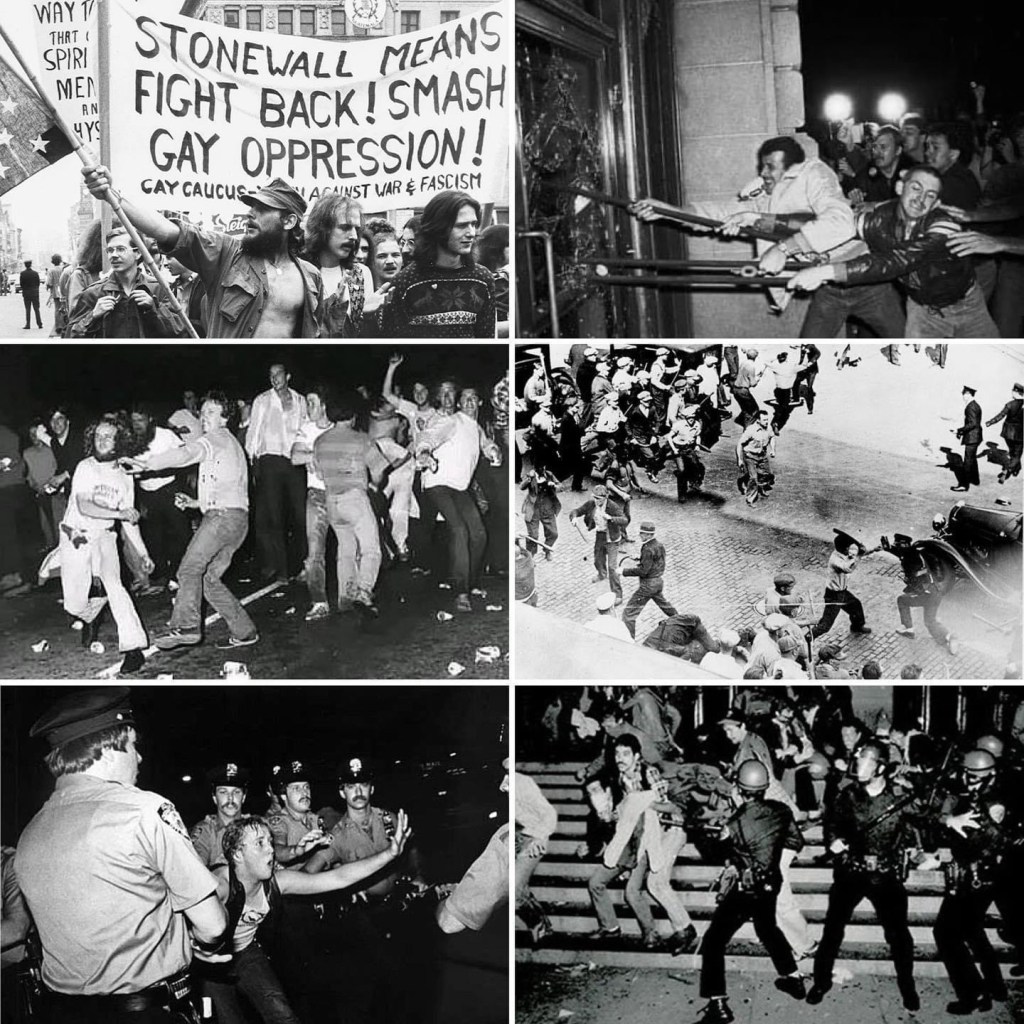
To the White Gays whining about protests disrupting your forthcoming Pride parties: Here’s a reality check.
“Pride” isn’t a month.
Pride represents the set of human rights that LGBT men and women, sparked by Black and Brown queer and trans folks, fought for — including rioting — so that one day you could openly live your life and dance around shirtless at pool parties without being stripped of your right to a peaceful existence. They fought and burned shit down so that one day you would no longer be unfairly harrassed and discriminated against by law enforcement and other institutions of government. Imagine going back 51 years and yelling at the people who were fighting for your rights to be treated as a human beings to “just be peaceful and don’t break anything.”
You don’t get to celebrate Pride by denouncing the type of actions that those men and women took to upend the oppression that would otherwise constrict your existence.
If you don’t understand why Black and Brown queer and trans people are today protesting injustices, you don’t deserve a Pride party.
###
The following are a few quick social media posts:
When the peace we offered wasn’t enough.

When they say “you lost my support when you started looting Target.”

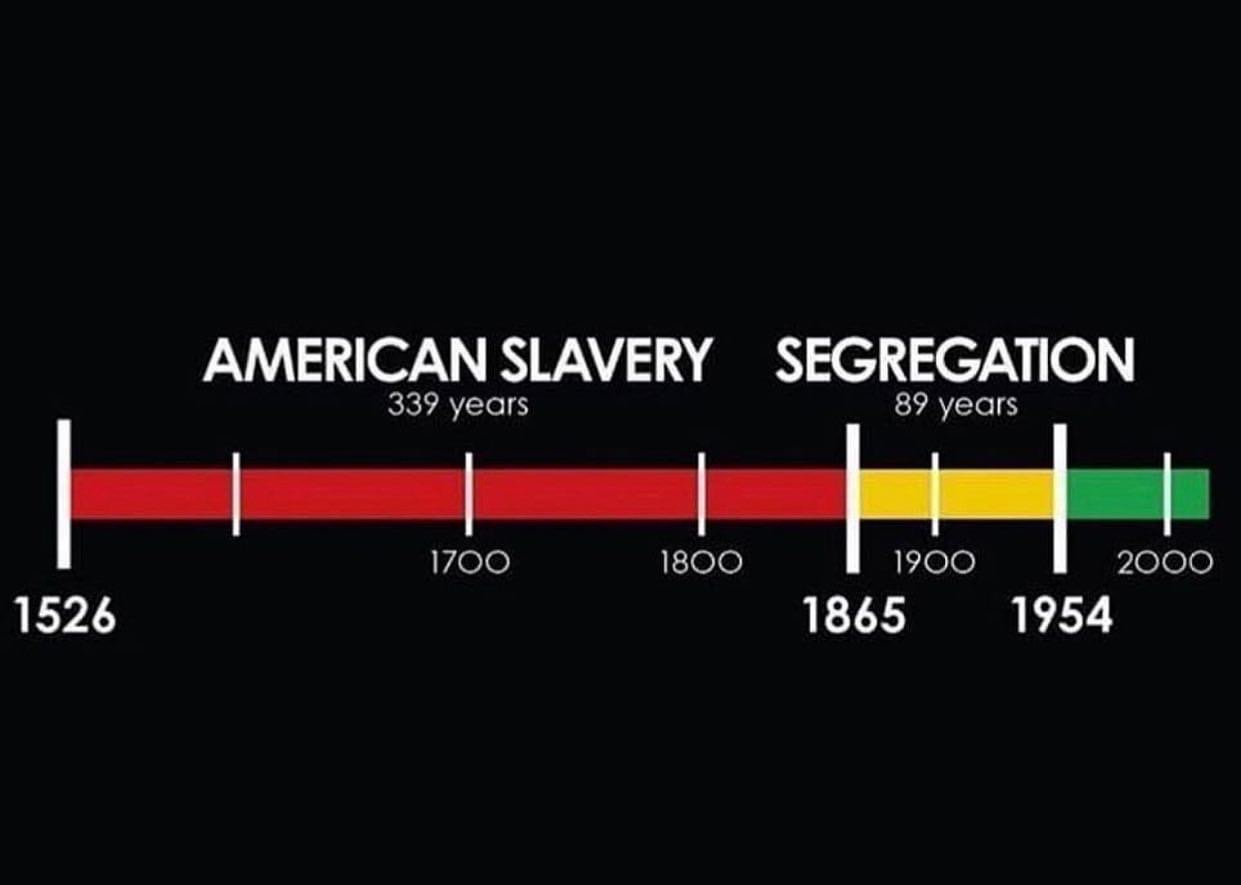
Racial injustice and the policing of Black bodies did not begin last week.
###
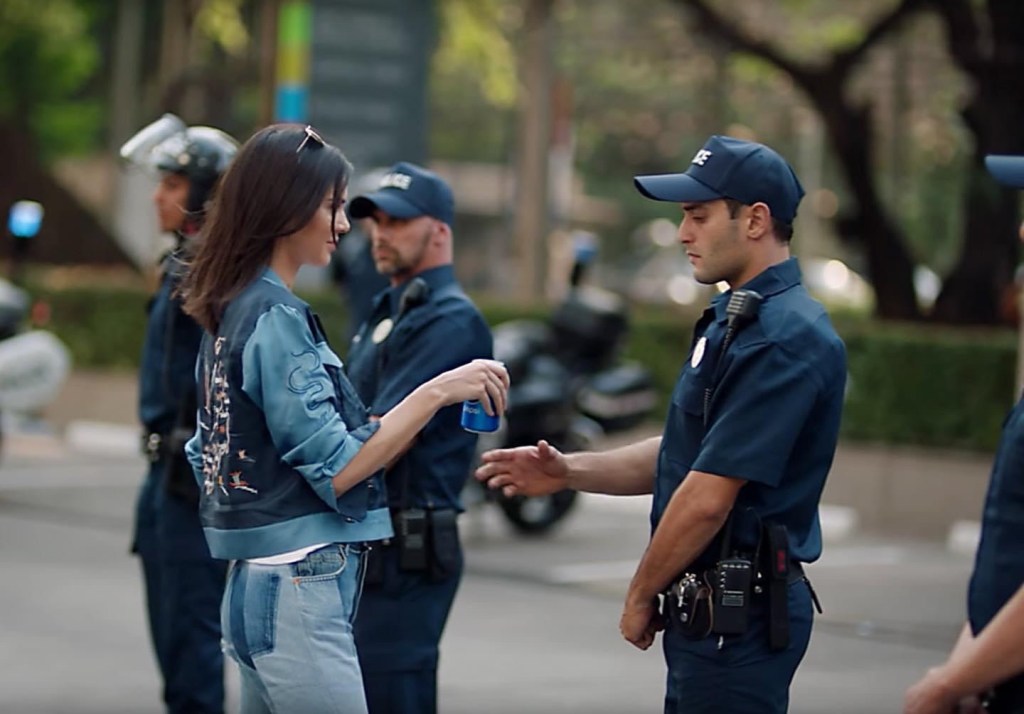
And on a lighter note, has anyone called Kendall Jenner yet? 😂
Follow me on Twitter at www.twitter.com/daeboganmusic
What is the value of exposure when exposure is all there is?
There is an existential debate going on at the moment, around whether streaming is paying artists enough. It may feel like a rerun of old debates but it is catalysed by COVID-19 decimating artist income. These are some of the key narratives: here, here and here.
In this piece I lay out the underlying economics of the argument. I also focus wholly on artist income as songwriter income is another topic entirely.
COVID-19 has reset the debate
The latest streaming royalty debate is not an isolated event. It is happening because COVID-19 has decimated live income, leaving many artists worrying about how to make ends meet. Last week, just before this whole debate kicked into gear I wrote:
“Live’s lockdown lag may have the knock-on effect of making artists take a more critical view of their streaming income. When live dominated their income mix, streaming’s context was…
View original post 1,102 more words
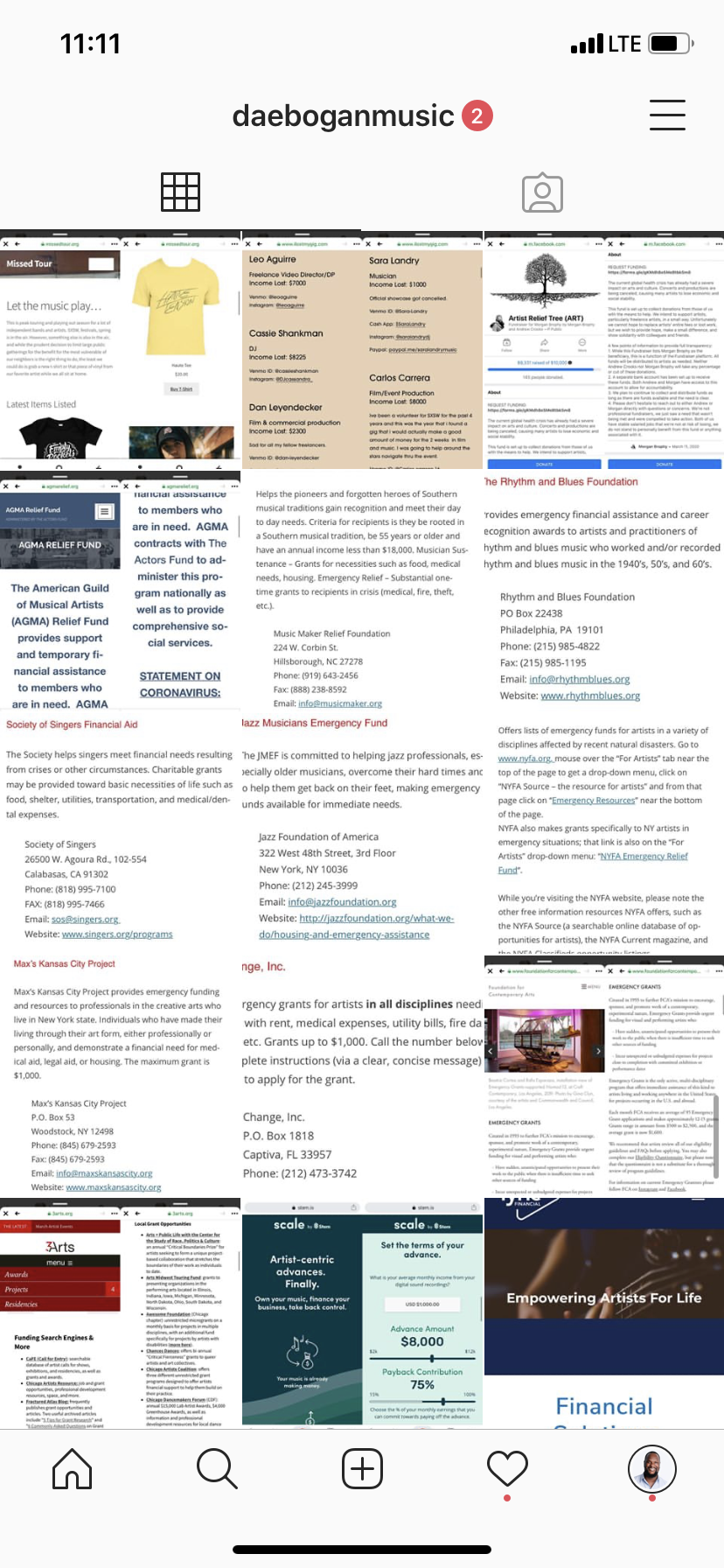
4 Ways To Offset Lost Income From Cancelled Tours & Gigs Right Now
In the wake of the world’s response to COVID-19, thousands of tours, club shows, concerts and festivals have been cancelled or postponed. This has directly impacted the livelihoods of music creators and the professionals who make it possible to bring these experiences to life. In these uncertain times, there is one thing for certain: there is financial assistance.
Here are 4 ways to offset lost income now:
1. RECEIVE DONATIONS – Post your lost gig on http://www.ilostmygig.com where good samaritans may donate to help you offset lost income (all roles matter; from artist/band to sound engineer to stage manager to caterer).

2. SELL MERCH – Sale unsold merch on http://www.missedtour.org

4. GET A GRANT – Apply for one of many grants and scholarships as MusiCares and Live Nation Music Forward Foundation, among others.

3. GET AN ADVANCE – Get an advance on future streaming royalties via Stem Scale at http://www.stem.is/scale or an advance on future performance and/or mechanical royalties at http://www.lyricfinancial.com
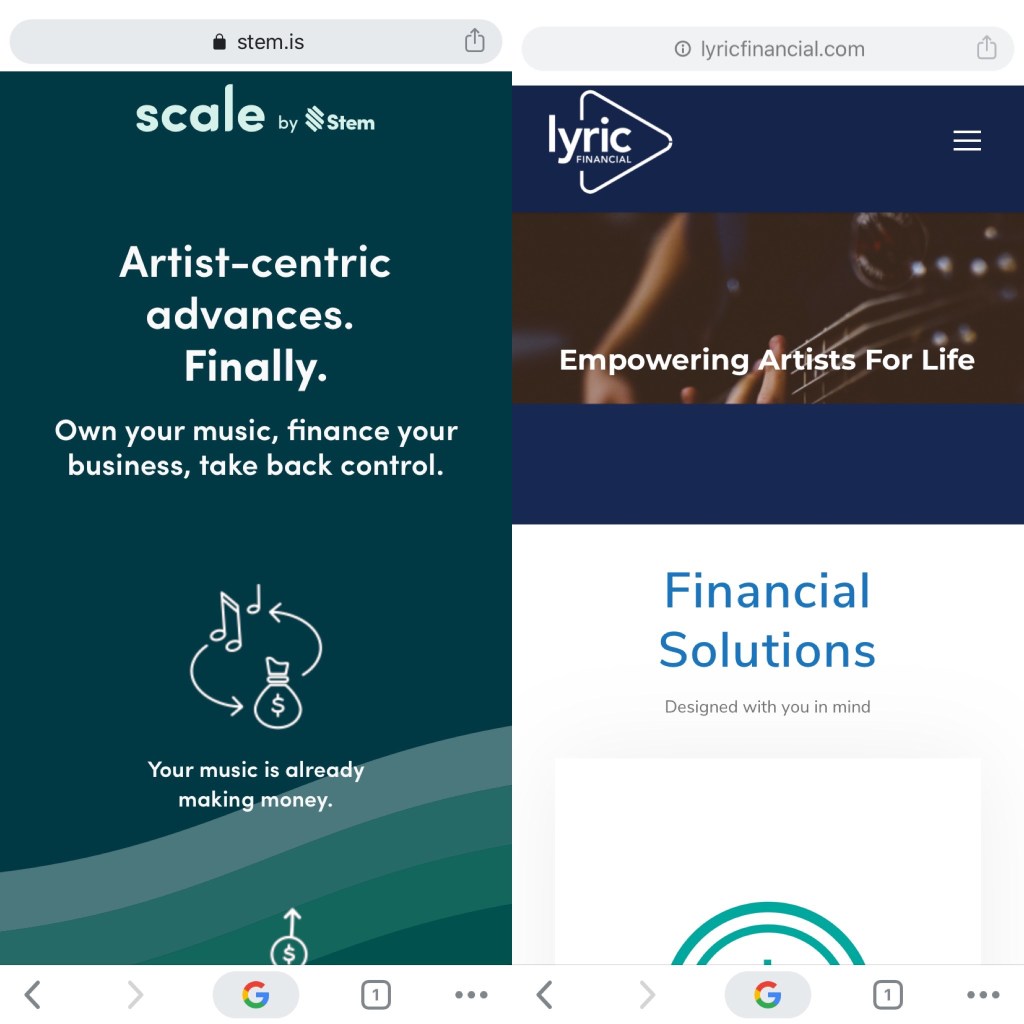
Take action now before these resources are overwhelmed and exhausted.
A lot more opportunities are being curated at IG @daeboganmsuic
I Went 5 Years Purposely Avoiding Romantic Relationships: This Is What Happened To My Career

In 2015, a few months after ending my last romantic relationship and just as I was turning 30, I decided to try a social experiment on myself. I decided to see what I could achieve in my professional life by sacrificing something big in my personal life. I decided to make myself completely emotionally unavailable for a romantic relationship. I wanted to see what happens, for me, when I direct 100% of my cognitive energy to my professional life and zero to pursuing and developing a romantic relationship.
Here is what happened during my 5 years relationship hiatus:
I earned a masters degree in Music Industry Administration; I developed and sold 3 music tech startups; I paid off student loans for 3 degrees; I spoke at over 100 music industry conferences, podcasts, and web series; I wrote extensively on music business and music rights and have been syndicated, cited, or interviewed dozens of times in some of the top music industry magazines, blogs, and books; I developed and taught music industry curriculum and have guest lectured at universities; I conducted research that was used by the US government in its economic analysis on the most important piece of music industry legislation in decades (MMA) and was invited to speak at the Library of Congress for a US Copyright Office symposium; I was named a Billboard’s “Digital Power Players 2019” and appeared in its 125th anniversary issue with Paul McCartney on the cover; I helped hundreds of music creators, entrepreneurs, and rights-holders with their careers, businesses, and catalogs through mentorship, consulting, and creating free resources at daeboganmusic.com. And I’ve developed relationships with amazing music industry professionals in every sector of the industry from around the world.
In 5 years, I transformed my career and have accomplished professional milestones that I never could have imagined. That was an incredibly overwhelming, stressful, challenging, and exhilarating ride.
Today I turn 35. 🥳 I’ve amassed an incredible amount of knowledge and contacts in the music industry and will be spending the coming weeks deciding what I will do next (something moderate).
Also, I’m back on the market. 😎
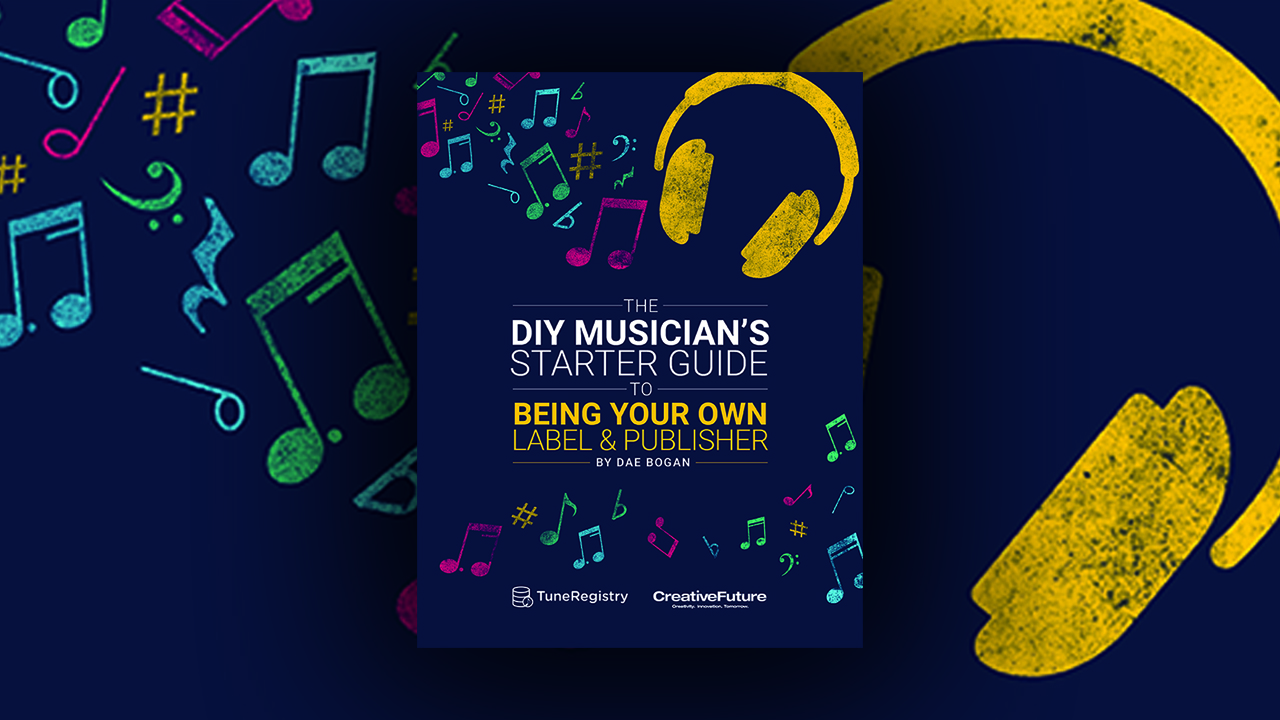
Free DIY eBook
CONNECT WITH ME


 Dae Bogan Music