
[Video] Symphonic Distribution x The MLC Live Q&A with Dae Bogan

Did you know that there is over 424 million in unmatched royalties that The MLC is looking to pay out? Join Randall Foster & Dae Bogan as they dive deep into the world of publishing.
Watch: https://youtu.be/EhxljeejSqI
[Video] Artist Managers Connect presents AMA About The Mechanical Licensing Collective with Dae Bogan
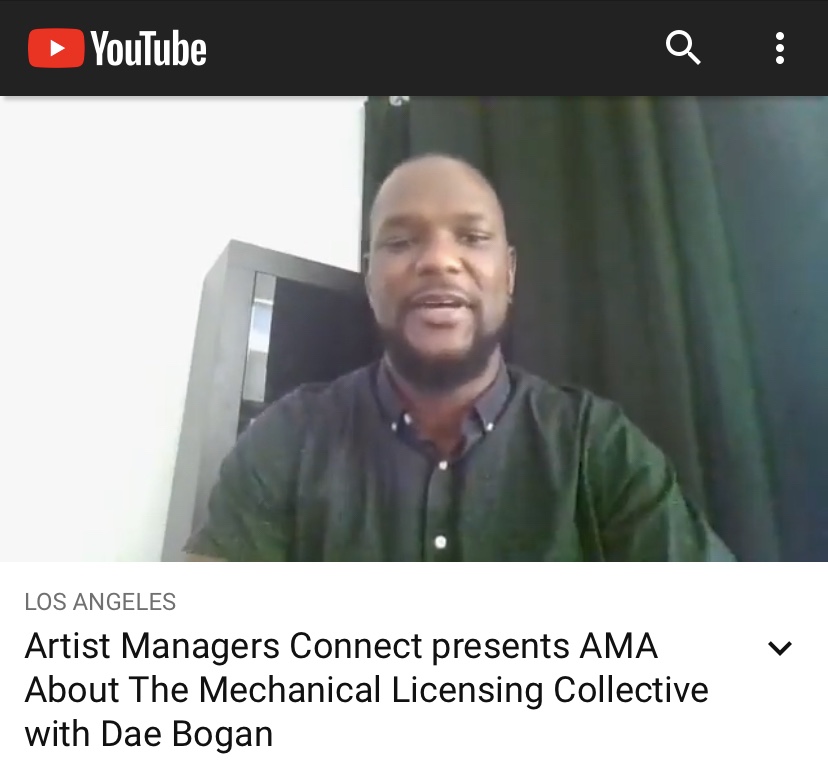
Is the blanket license royalty rate determined after the majors have negotiated their license with the DSPs?
Does registration with the MLC supersede registrations with HFA and MRI?
If a song was previously licensed under the voluntary license, does it now have a secondary revenue to coming from the blanket license, or do you have to choose one path over the other?
Will the MLC establish reciprocal mechanical collections with foreign mechanical CMOs such as MCPS and AMCOS?
Watch me answer these questions and many more from artist managers in my “Ask Me Anything About The Mechanical Licensing Collective”
Watch: https://youtu.be/Kz43LyYXMUI
[Video] Songtrust Presents ‘Let’s Talk Music Publishing: The Mechanical Licensing Collective (The MLC)’ With Dae Bogan

Watch the recording of Songtrust’s webinar.
Description: With the beginning of the new year, as the initiation of The Mechanical Licensing Collective (The MLC) begins, songwriters have a lot of questions about how this will affect them in 2021 and beyond. Join the Songtrust team, along with special guest Dae Bogan, Head of Third Party Partnerships at The MLC, to discuss everything you need to know about The MLC and their relationship to Songtrust.

[Rewind] On This Day Last Year I Spoke At The Library Of Congress
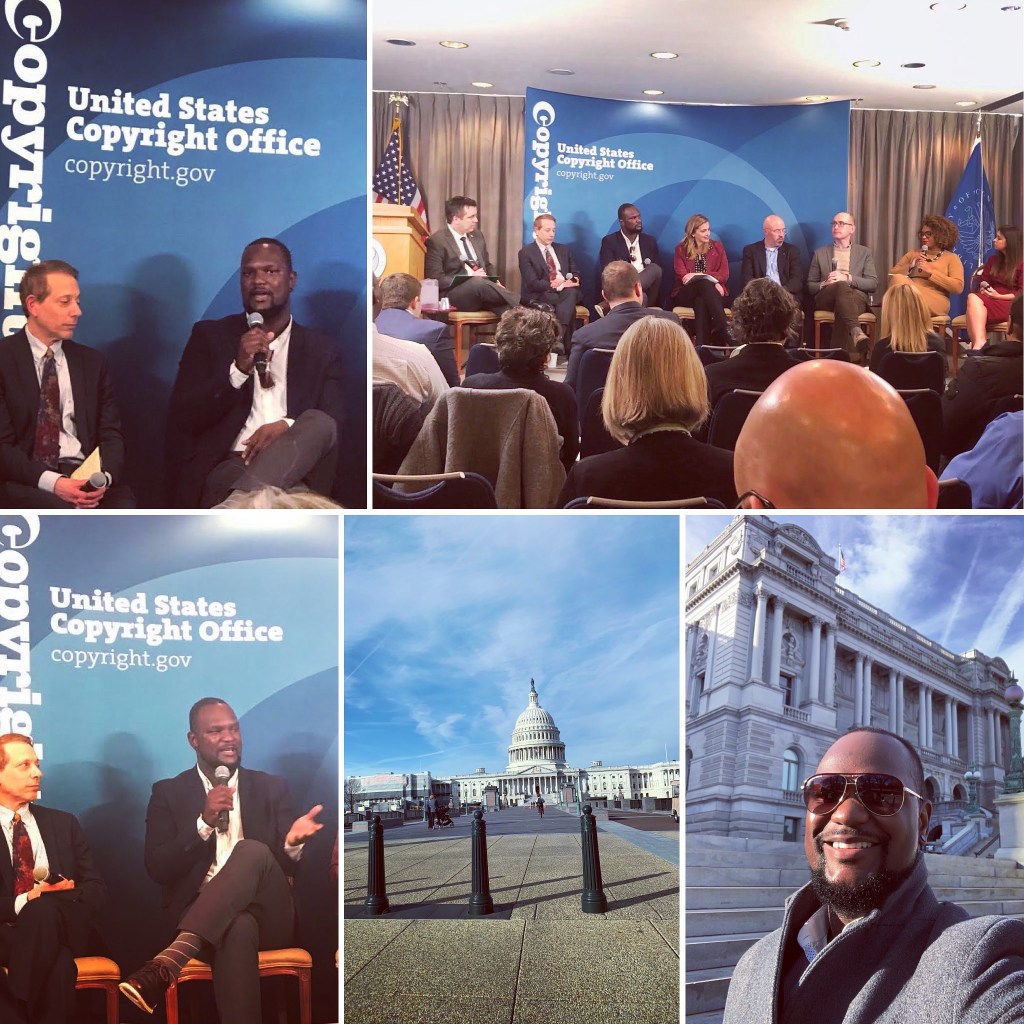
On this day last year, at the invitation of the Honorable Steve Ruwe, a United States Copyright Royalty Judge, I went to Washington, D.C. to participate in the U.S. Copyright Office’s Unclaimed Royalties Study Symposium and speak at The Library Congress on strategies for the effective outreach and engagement of music publishers and independent songwriters. A few months later I joined The Mechanical Licensing Collective as its Head of Third-Party Partnerships to develop and execute strategies to reach and empower music publishers and independent songwriters, composers, and lyricists.
#TBT Reflecting On Being Named A Billboard 2019 Digital Power Player And Looking To The Future Of Music Rights

Exactly one year ago, I was named a Billboard 2019 Digital Power Player in recognition of my work at the intersection of music rights and technology.

As the founder and CEO of two music rights software companies—TuneRegistry and RoyaltyClaim—I empowered independent music creators and rights-holders from over 40 countries with tools to protect and administer their copyrights in the United States and to uncover unclaimed royalties and music licenses around the world.
I started my career in the music industry as an independent artist and self-published songwriter, then evolved into an advocate of music creators as first an artist manager and eventually the owner/operator of an independent record label and independent music publishing company. Later, I pivoted from being hands-on the music to conceptualizing and developing technological solutions to address some of the challenges I faced while wearing the many hats that I had worn.
Today, I am writing yet another chapter in my career book as the Head of Third-Party Partnerships at The Mechanical Licensing Collective and as a Lecturer of Musicology (music industry entrepreneurship) at the UCLA Herb Alpert School of Music. At these organizations I play a new role in supporting music creators from the earliest start of their careers through the legacy of their musical works.
As I reflect on my passion and look to the future I am excited to imagine how I can contribute in some meaningful way to the careers and livelihoods of thousands of music creators; especially independent artists and self-published songwriters.
Here Are 10 Ways That The Mechanical Licensing Collective (The MLC) Can Set The Bar As A Collective Management Organization In The 21st Century

Title 1 of the MMA, also called Music Modernization Act, sets out provisions and guidance for the formation of a collective mechanical licensing body to be called the Mechanical Licensing Collective (The MLC). The MLC will administer a safe harbor blanket license for the streaming of musical works, collect licensee fees from licensees, prepare and remit statements of earnings to songwriters and music publishers, and make royalty payments to the same.
The MLC will join the ranks of SoundExchange, ASCAP, BMI, and SESAC in the sense that it will become a powerful representative of the collective rights of thousands of music creators and rights-holders in the United States. However, unlike its counterparts, The MLC will be born in the 21st century. And as a 21st century collective licensing organization, The MLC has the unique opportunity to implement, at inception, 21st century business practices utilizing 21st century best practices and technologies.
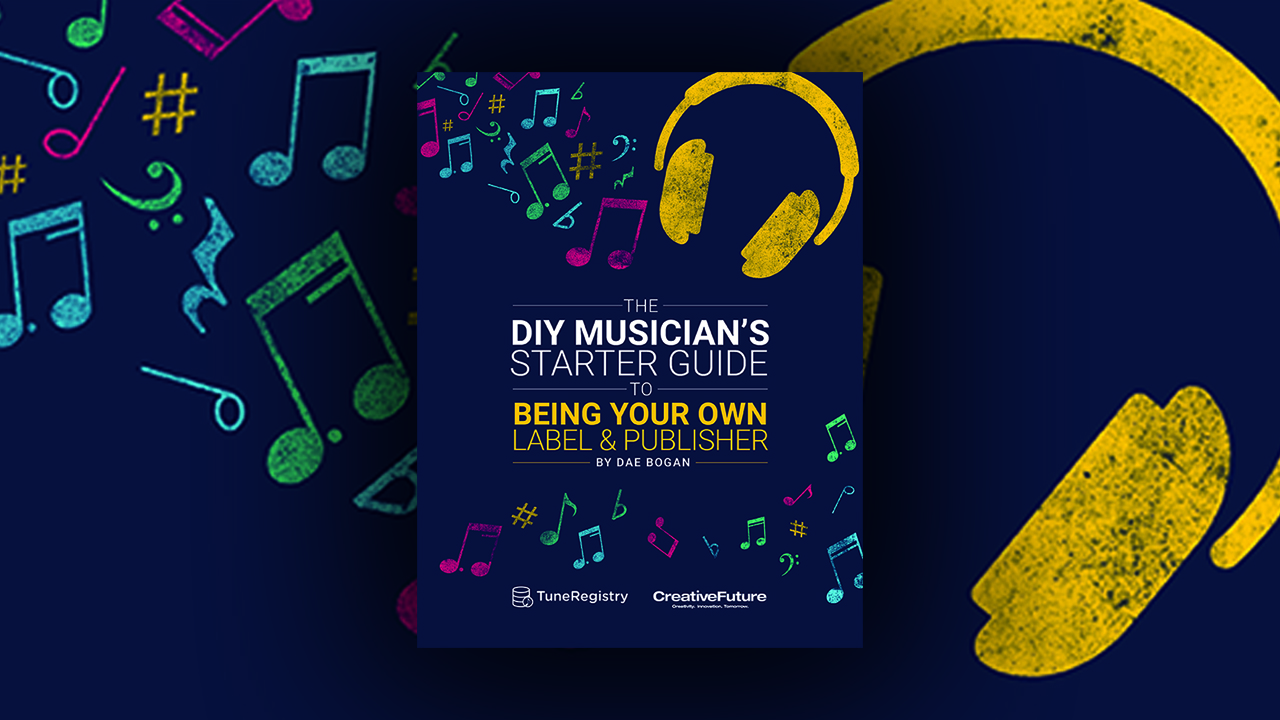
Free DIY eBook
CONNECT WITH ME


 Dae Bogan Music