
The MLC presents RegFest

The MLC Presents: RegFest
Songwriters, artists, producers, and rightsholders — don’t miss this free online webinar to maximize your streaming royalties and protect your rights! Join award-winning songwriter and artist Cassandra Kubinski and The MLC’s Dae Bogan as they cover how to register your works and claim all your income streams.
🗓️ Monday, November 10th
⏰ 12pm PT • 2pm CT • 3pm ET
Register at https://themlc.zoom.us/webinar/register/WN_5WmDEPi0ThaFRZQFiDLC3A
[Podcast] Host Harkos Interviews Dae Bogan on the ‘Music Makin Cents’ Podcast

I sat down with host Harkos of the “Music Makin Cents Podcast” to talk about different ways to make money from your music. Watch the episode here or below.
The MLC Has Distributed $3bn+ To Songwriters And Publishers To Date

“The MLC has become the largest single source of U.S. digital revenue for songwriters and publishers — distributing more than $3 billion in royalties since launching operations, at no cost to our Members.” – Alisa Coleman, The MLC
Music Business Worldwide reported that The MLC has “confirmed that it has exceeded $3 billion in royalties distributed to publishers and songwriters since launching full operations in 2021.”
I’m proud to work with a team of talented and passionate people at The MLC who care deeply about getting songwriters and music publishers paid. And I am also proud to support music rights and royalty tech founders who invest endless hours and limited resources to create a positive impact on the livelihoods of their customers — the world’s independent music creators.
Prior to joining The MLC, exactly 10 years ago this month in October 2015, I founded several startups to address the “black box” issue, including TuneRegistry (with co-founders Jesse Morris, Kara Lorraine McGehee, and Shane Zilinskas), which enabled music creators to, for the first time, fully control the administration of their songs and recordings in the United States, and a year later in October 2016, I founded RoyaltyClaim, which innovated the Section 115 NOI (compulsory mechanical license) lookup and rightsholder notification process and was the world’s first multi-territory search engine of unclaimed music royalties.
At the time, there were no society-backed public data feeds or relevant APIs that enabled music rights and royalty tech companies to access transparent data regarding song ownership, share claims, unmatched recordings, and unclaimed royalties making it nearly impossible for founders to build robust solutions to support songwriters and publishers with royalty forensics, catalog reconciliation, and identifying and resolving issues that lead to unclaimed royalties. And there were few societies with departments dedicated to engaging with tech founders who dared to invest in these pursuits.
Today, I am proud to say that The MLC has changed that. As an organization with a department dedicated to interacting with and supporting music rights and royalty tech companies, we have empowered hundreds of companies around the world with unprecedent access to data that has informed business decisions and fueled the creation of new features that help their customers get paid.
As a former music rights and royalty tech founder myself, I couldn’t be prouder to head that department, to manage data programs and strategic outreach efforts, and to interact with and support hundreds of founders around the world who’s collective efforts has contributed to The MLC reaching this breakthrough milestone of $3Bn in royalties distributed.
To all of the music rights and royalty tech founders out there who have called on my team, met with me, invited me to set in hundreds of hours of demos and strategy sessions over the past 5 years, this is a special shoutout and thank you to you for being the innovators effecting change on the ground!
The Socioeconomics of Globalization vs. Glocalization and Why Indie Artists in the Global South Have It Harder
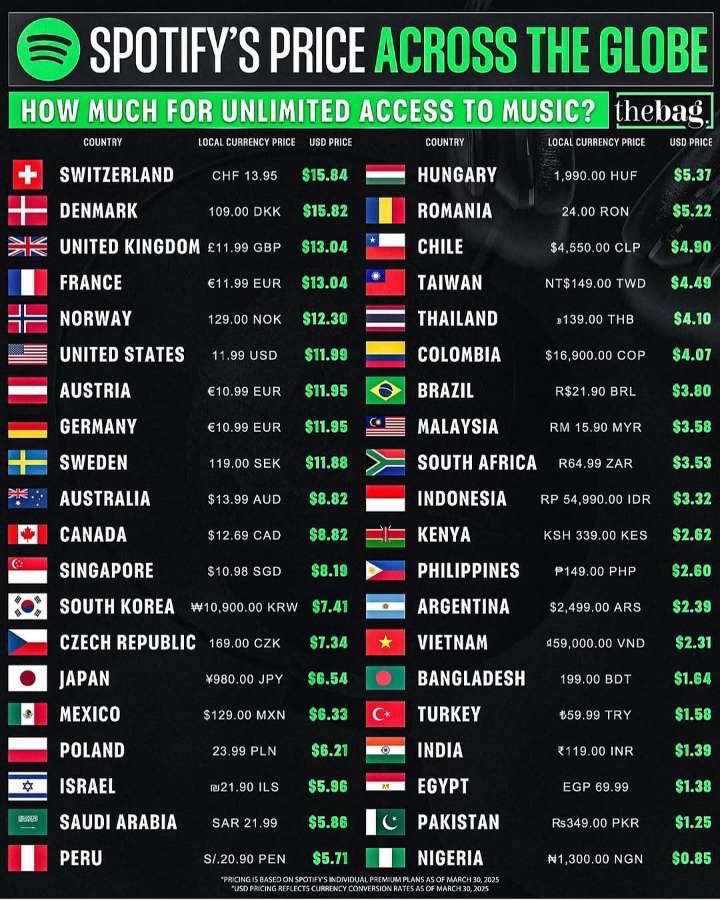
I have been having this very candid conversation about the digital music ecosystem and the socioeconomics (and sociocultural) factors at play in “globalization vs. glocalization” for years now.
Ever since I began exploring the “global south” in 2021, from South America to Southeast Asia to South Africa, and then subsequently moved to Latin America, I’ve observed challenges for local music creators and opportunities for Western music creators.
Artist earnings, in the digital space, are a factor of the socioeconomic health of the region in which artists receive most of their consumption. Two artists from two different countries with the same number of monthly listeners within their own country (glocalization) may not earn the same income due to the differences in the socioeconomic health of their respective countries.
The issue of socioeconomic health is exacerbated by poor copyright compliance and broken or insufficient licensing and royalty collection infrastructure.
Independent artists in lower socioeconomic markets could attempt to look for international collaborations with artists that can introduce them to listeners in more developed markets and they could leverage opportunities to exploit their music in ways that create discovery in new markets (e.g. synch, playlists, etc.). This will aid in exposing the music and eventually earning consumption in other foreign markets (globalization), possibly with better socioeconomic health (or at least higher royalty rates).
Additionally, indie artists should leverage communities like Vampr and BandLab Technologies and other such companies to connect and collaborate with artists, songwriters, and music producers to strive for cross-border appeal and opportunity.
Happy New Year Songwriters! You’ve Got New Royalties
Happy New Year Songwriters & Music Publishers!
Take note of the new mechanical royalty rates that are now in effect for the use of your songs in the United States:
As of January 1, 2023, royalty rates are as follows:
• Physical / Permeant Download: 12¢ per minute or 2.31¢ per minute or fraction thereof, whichever amount is greater
• Interactive Streaming / Limited Downloads / Locker Services / Other Digital Deliveries: 15.1% of Service Revenue or Total Content Cost Prong Calculation, whichever amount is greater by offering.
As a reminder, if you own the publishing in your songs, you may be eligible to join The Mechanical Licensing Collective to get paid directly 100% of your digital audio mechanical royalties. This is a separate royalty stream, which your PRO (ASCAP / BMI / SESAC) does not collect or pay out. You earn two songwriter royalties when your songs are streamed on Spotify, Apple Music, Tidal, and other digital music services. You earn a performance royalty (ASCAP, BMI, SESAC) and a mechanical royalty (The MLC).
Learn more about The MLC at http://www.themlc.com and join for free today!
About The MLC in 60 Seconds:
On Digital Radio Royalties: What Are They And How To Look For Unclaimed Royalties
(This was originally post on my Facebook page, so my apologies if the hyperlinks directs you to Facebook pages of the mentioned companies).
On Digital Radio Royalties
DIY Musicians – If/when you get a recording placed on non-interactive Internet, satellite, or cable radio (e.g. Pandora, SiriusXM, Music Choice) it earns multiple royalty streams. It is important to understand how to collect them all. I will get granular below to break this down.
Let’s use for example the recording “6 Inch (feat. The Weeknd)” by Beyonce. When this recording is played on Pandora (or iHeartRadio, 8Tracks, TuneIn or any of the other 2,500+ properly licensed webcasters serving the United States), here are the royalty streams:
1. Master Royalties for Featured Performers – Royalties paid to SoundExchange for the featured performers, which are the “named” artists on the track. For “6 Inch,” the featured performers are Beyoncé (main artist) and The Weeknd (guest artist). They each must have an account at SoundExchange to collect these royalties. Here is the unclaimed royalties list for featured performers: https://www.soundexchange.com/…/does-sou…/search-for-artist/
2. Master Royalties for Master Copyright Owner (Label) – Royalties paid to SoundExchange for the copyright owner, which is the label. For “6 Inch,” the label is Columbia Records. The label must have an account at SoundExchange to collect these royalties. (A Few Notes: (1) Major labels have direct deals with most music services, so it is likely that Columbia is paid directly by Pandora. (2) Unsigned artists can collect this income if you properly create your free account with SoundExchange as the copyright owner. This means, you cannot only sign up as the Artist. You are the label!). Here is the unclaimed royalties list for copyright owners: https://www.soundexchange.com/…/do…/search-for-rights-owner/
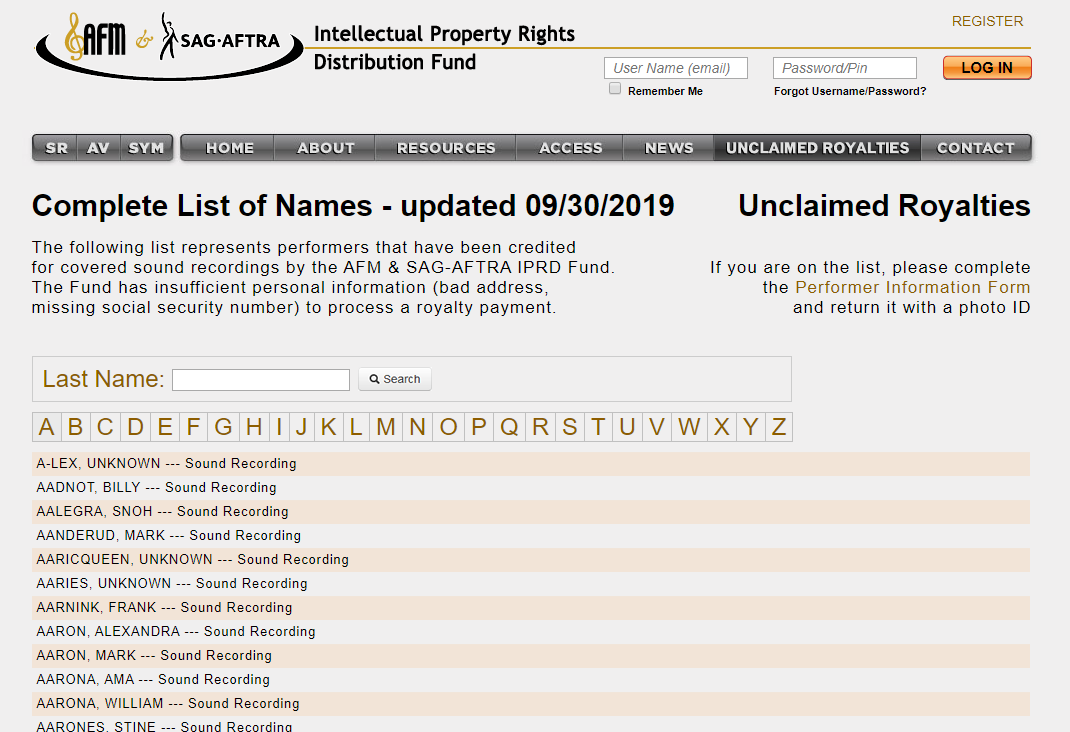
3. Master Royalties for Non-featured Performers – Royalties paid to AFM & SAG-AFTRA Intellectual Property Rights Distribution Fund (“the Fund”) for the background vocalists and session musicians who performed on the recording. For “6 Inch,” the non-featured performers include Ahmad Balshe (background vocalist) and Derek Dixie (session musician) among others. (Note: 5% of the royalties paid to SoundExchange is passed to the Fund. The Fund conducts research to identify the non-featured performers. They use published credits, such as those published on AllMusic.com (Ex: https://www.allmusic.com/album/lemonade-mw0002940342/credits), Discogs, and other resources to identify the vocalists and musicians on a recording. Keep in mind that if the producer of the track contributed background vocals or live instrumentation, it is important to credit him/her separately as such in addition to his/her producer credit, so that they can access this income stream. At TuneRegistry, we deliver credits to TiVo, which makes metadata available to AllMusic, among other services. If the Fund does not have the non-featured performer on their list, you can check and submit. See “6 Inch” only shows two (2) non-featured performers, but there may be more who just do not know: https://www.afmsagaftrafund.org/covered-rec-artist_SR_Maste…). Here is the unclaimed royalties list for non-featured performers: https://www.afmsagaftrafund.org/unclaimed-royalties.php and here is the list of recordings that the Fund has credits for here: https://www.afmsagaftrafund.org/covered-rec-title_sr_master…
4. Publishing Royalties for Composers/Writers – Royalties paid to performing rights organizations (PROs) such as American Society of Composers, Authors & Publishers (ASCAP), Broadcast Music, Inc. (BMI), and SESAC in the United States for the composers and writers, which is Jordan Asher, Burt Bacharach, Ahmad Balshe, Hal David, Ben Diehl, Beyoncé Knowles, Noah Lennox, Terius Nash, David Portner, Danny Schofield, Abel Tesfaye, and Brian Weitz. Because “6 Inch” uses samples, there are more composers/writers credited on the recording. You can view the full publishing credits for “6 Inch” at ASCAP here: https://www.ascap.com/repertory#ace/search/workID/890413300 (Note: US PROs, like most PROs/CMOs around the world, do not have a public list of unclaimed royalties. It is important to register your song before the release or as soon as possible after release to limit the possibility of having your royalties fall into the “black box,” which is an industry term of unclaimed or unmatched royalties. Also note that if you collaborate with someone who has not affiliated with a PRO, that can slow down the registration process.)
5. Publishing Royalties for Composition Copyright Owner (Publisher) – Royalties paid to PROs for the copyright owner in the compositions. This is the publisher or a self-published songwriter’s own publishing entity. For “6 Inch,” the publishers are 2082 Music Publishing, BMG, Domino Publishing, KMR Music Royalties, New Hidden Valley Music Co, Oakland 13 Music, Sal And Co LP, Songs of FujiMusic, Universal Music Corportation, WB Music Corporation. Because “6 Inch” uses samples, there are more publishers credited on the recording. You can view the full publishing credits for “6 Inch” at ASCAP here: https://www.ascap.com/repertory#ace/search/workID/890413300 (Note: In the US, if you are a self-published writer, you do not need to have a publishing account at BMI in order to unlock your publishing income. You will need a writer AND publisher account at ASCAP. So, if you do not have a publisher account at ASCAP and you are self-published, you literally leave 50% of your income on the table because ASCAP will not pay out the so-called “publisher’s share” to writers (unless they’ve changed this policy).)
In conclusion, if you get a recording on a digital radio platform and it takes off, make sure you have your business in order. We help with all of the above at TuneRegistry. This is what I am doing every day — helping thousands of independent music creators properly register their music so that they are 1.) identified, 2.) accounted to, and 3.) PAID.
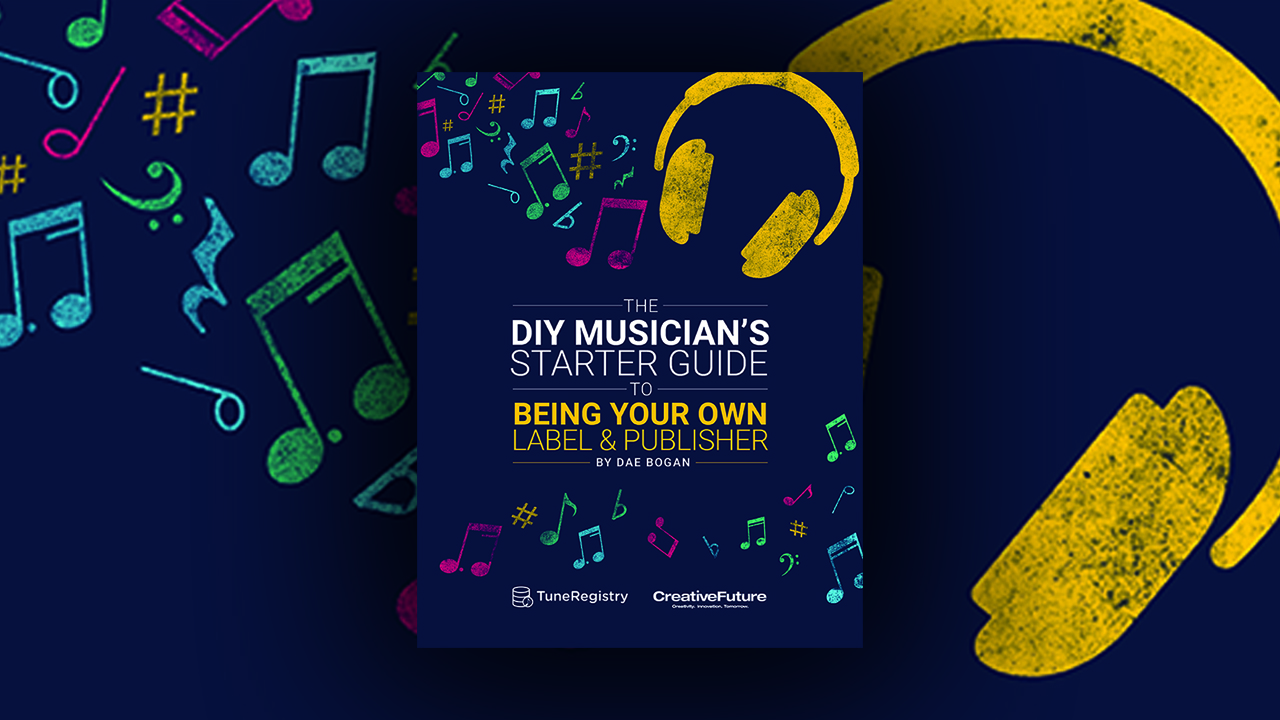
Check out my free ebook “The DIY Musician’s Starter Guide To Being Your Own Label & Publisher” available for download at www.daeboganmusic.com (subscribe to my blog) and catch me speaking Oct 12th at A3C Conference in Atlanta or Oct 30th at Music Tectonics Conference in Los Angeles.
CC: Dae Bogan Music
Dae Bogan To Moderate Panel On Royalty Payments At Music Tectonics Conference

As music is more fluid across listening services, social music apps, and countries, royalties are more complex than ever. At Music Tectonics Conferece, experts from HFA, SynchTank, and Hyperwallet will unpack challenges and solutions, moderated by Dae Bogan, SVP of Global Music Rights at Jammber / TuneRegistry. Learn more at http://www.musictectonics.com
#MusicBusinessMonday: About Direct License ‘Black Box’ Royalties And Music Publishing Administrators
(Author’s Note 07/08/2019 10:33 AM PST: An industry associate of mine who is an independent music publishing industry leader and activist/advocate, as well as the owner of a small music publishing administration company, reached out to me to express his concern that my blog post paints all music publishing administrators in a bad light. He explained that entering into direct licenses is common practice for all publishers — including full-fledged publishers that own or co-own copyrights, as opposed to just handling administration like pub admins do — and not just pub admins. I know that. He felt that pub admins are being unfairly singled out in my blog post. As I explained to him, that is not my intent. I have many blog posts of opinions, analyses, criticisms, praises and reviews of many sectors and companies of the music industry. It is my role as a music creators’ rights advocate and watchdog, if you will, to raise awareness about these issues and practices, and educate music creators on their rights and business. This particular blog piece is not about small pub admin shops, like the one he operates, that has an overage of a few thousand dollars at the end of the year from direct deals, but rather the nature and effect of some of the large “catchall” pub admin services aggregating hundreds of thousands to millions of copyrights and the potential voluminous black boxes that direct licenses can accrue for their bottomline. These are some of the issues that we are asked about at TuneRegistry when speaking with songwriters who have or are considering switching to self-administration or to supplement the efforts of their existing large pub admin. Calling out provisions, or lack thereof, in contracts that songwiters may not be aware of, and which ultimately impacts their income, regardless of if it’s a small shop or goliath, is fair industry criticism. But, for clarity, this piece is in direct response to recent inquiries we’ve received at TuneRegistry regarding some of the popular catchall pub admin services on the market and not small pub admin businesses)
In this particular case, I get that he may take offense when the criticism may extend to parties that are not acting malicious — and I’m not saying that the big players are acting malicious anyway, but rather this issue is a fact of the deal that songwriters sign and should be aware of — and want to be presented in a fair light. So, to that end, I’ll update the post and my socials.
A music publishing administrator’s (“pub admins”) job is to register your musical works with CMOs/PROs/MROs in the territories for which you’ve hired them to represent your administration rights and to collect your royalties, prepare and remit income statements and payments to you. However, some pub admins go a step or two further and issue or enter into direct licensing agreements with companies on behalf of the compositions that it represents, such as direct performance licenses for startup social music apps or a blanket license for background music services.
The right to enter into direct licenses may be included in your contract with the pub admin. In this case, you will have explicitly granted the pub admin the right to license your songs, without asking permission per license, to third parties. In some direct deals, companies give advances or negotiate minimum guarantees to be paid to publishers. These advances and minimum guarantees are deducted from the actual earned royalties that are calculated from the usage of songs by the licensed service. However, in the event that there is an overage (meaning, the total volume of usage does not equal or exceed the advance or minimum guarantee) the difference between the overage and the actual earned royalties is the unallocated “black box” royalties.
It is important that these monies flow to the songwriters that the pub admin represent (less an appropriate commission) as the license fees were paid against the licensed catalog of songs, regardless of actual usage.
Surprisingly, although pub admins that ask songwriters to grant them the explicit right to direct license the songwriter’s songs, many pub admins do not have or do not communicate their policy for distributing unallocated “black box” royalties that stem from these direct licenses. And some cases, they just keep the black box royalties as miscellaneous income.
What’s in your contract? Talk you your pub admin about direct license black box royalties.
Metadata And Money: On Background Vocalists and Session Musicians

Most independent artists do not know that 5% of their digital radio master royalties earned in the United States from the likes of Pandora, SiriusXM, Music Choice, iHeartRadio, Slacker, TuneIn, Last.fm, etc. are automatically allocated to a pool that is to be paid out to background vocalists and session musicians.
This money is allocated, *even if there are no background vocalists and sessions musicians on the record,* and are paid out in the United States by AFM & SAG-AFTRA Intellectual Property Rights Distribution Fund (aka “The Fund”).
Knowing this now, what should you do?
- Invite musician friends to perform background vocals or an instrument on your record.
- Invite the producer of the record to add background vocals or live instrumentation to their production (then, the producer would be able to qualify for these royalties; which is separate from his/her other producer royalties).
It is important to know that if you have background vocalists or session musicians on your record you MUST PUBLISH THE TRACK CREDITS! The Fund does track credit research to identify the individuals entitled to these royalties. THERE IS NO REGISTRATION PROCESS. They look for credits at places like AllMusic.com, Discogs, MusicBrainz, etc.
Don’t let your royalties go undistributed.
Get 👏 it 👏 done.
TuneRegistry, we deliver track credits to TiVo, which supplies data to AllMusic.com. We also deliver metadata and audio fingerprints to Gracenote, Audible Magic, Medianet, ACRCloud, Quantone, Exactuals – RAI, and Crunch Digital. These services power search and discovery features in hundreds of music apps, websites, audio devices, and smart speakers around the world.
Free DIY eBook
CONNECT WITH ME


 Dae Bogan Music