Dae Bogan to Speak at Trends Brasil Conference

I will be speaking at Trends Brasil Conference in Rio de Janeiro, Brazil @trendsbrasilconference
“ROYALTY MANAGEMENT AROUND THE WORLD”
🗓️ Tuesday, December 2, 2025
⏰ 4pm-4:55pm
🚪 Legal Stage
📍 ExpoRio Cidade Nova
Speakers:
• Dae Bogan (MLC)
• Lucas Zew (BackOffice)
• Gustavo Gonzalez (Abramus Digital, moderator)
The Socioeconomics of Globalization vs. Glocalization and Why Indie Artists in the Global South Have It Harder
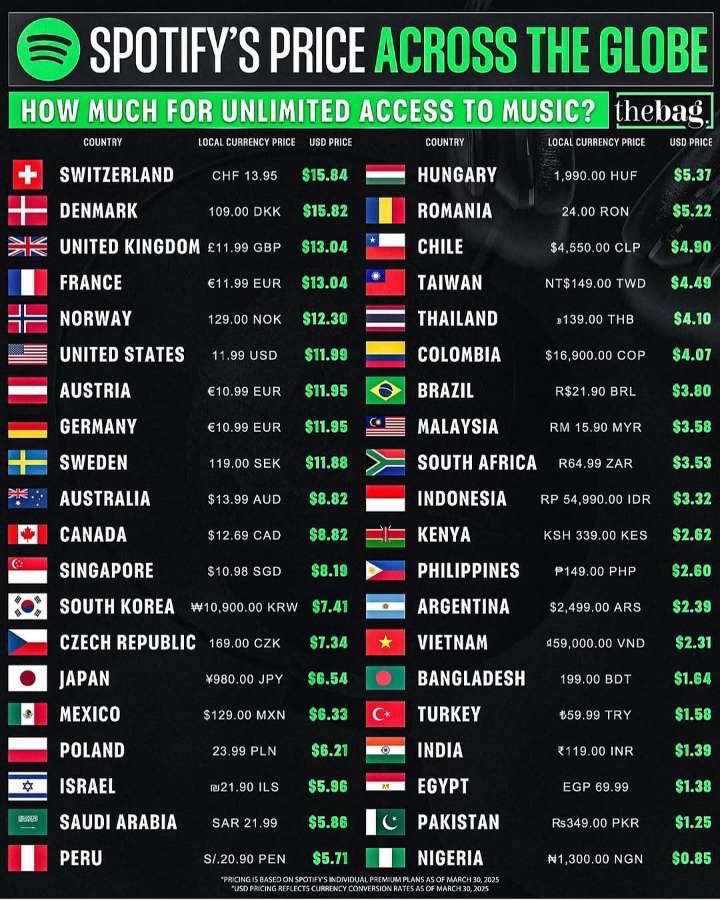
I have been having this very candid conversation about the digital music ecosystem and the socioeconomics (and sociocultural) factors at play in “globalization vs. glocalization” for years now.
Ever since I began exploring the “global south” in 2021, from South America to Southeast Asia to South Africa, and then subsequently moved to Latin America, I’ve observed challenges for local music creators and opportunities for Western music creators.
Artist earnings, in the digital space, are a factor of the socioeconomic health of the region in which artists receive most of their consumption. Two artists from two different countries with the same number of monthly listeners within their own country (glocalization) may not earn the same income due to the differences in the socioeconomic health of their respective countries.
The issue of socioeconomic health is exacerbated by poor copyright compliance and broken or insufficient licensing and royalty collection infrastructure.
Independent artists in lower socioeconomic markets could attempt to look for international collaborations with artists that can introduce them to listeners in more developed markets and they could leverage opportunities to exploit their music in ways that create discovery in new markets (e.g. synch, playlists, etc.). This will aid in exposing the music and eventually earning consumption in other foreign markets (globalization), possibly with better socioeconomic health (or at least higher royalty rates).
Additionally, indie artists should leverage communities like Vampr and BandLab Technologies and other such companies to connect and collaborate with artists, songwriters, and music producers to strive for cross-border appeal and opportunity.
100+ INDIE DISTRIBUTORS IN 20 COUNTRIES HAVE NOW SIGNED UP FOR THE MLC’S DATA PORTAL FOR UNMATCHED ROYALTIES

Thank you Music Business Worldwide for covering the story of this important milestone in my work at The Mechanical Licensing Collective and the independent music industry.
From Idea to Impact: Five Years Later the DURP Expands to 100 Distributors and Pays Millions to DIY Artists

I am thrilled to announce having reached a new milestone in The Mechanical Licensing Collective’s DURP initiative, which I develop and lead to engage music distributors in our efforts to track down and pay unclaimed royalties to independent songwriters — the Distributor Unmatched Recordings Portal (DURP).
As of today, my team has onboarded over 100 independent music distributors in 20 countries to help us find and pay out millions of dollars in unclaimed U.S. digital audio mechanical royalties to independent songwriters around the world.
I am incredibly proud of the impact the DURP initiative has had on the livelihoods of independent artists who did not know these royalties existed. Many of whom I have had the opportunity to speak with directly and to guide them in the process of becoming MLC members.
This announcement comes on a special day – December 6th. Five years ago, on December 6th, 2019, I was invited by the United States Copyright Office to Washington, D.C. to speak at its Unclaimed Royalties Study Kickoff Symposium at the Library of Congress. It was at this symposium where I offered my insights on the DIY music rights administration space and strategic recommendations on how the forthcoming mechanical licensing collective ought to go about developing innovative data and partnership initiatives to reach the DIY artist and small independent rightsholders sector of the global music industry in furtherance of its mandate of the Music Modernization Act of 2018. The next year, in 2020, I joined The MLC as its Head of Third-Party Partnerships and began the research and development on what has become the Distributor Unmatched Recording Portal (DURP), which is both a data insights and technical solution, and a global network of strategic partnerships.
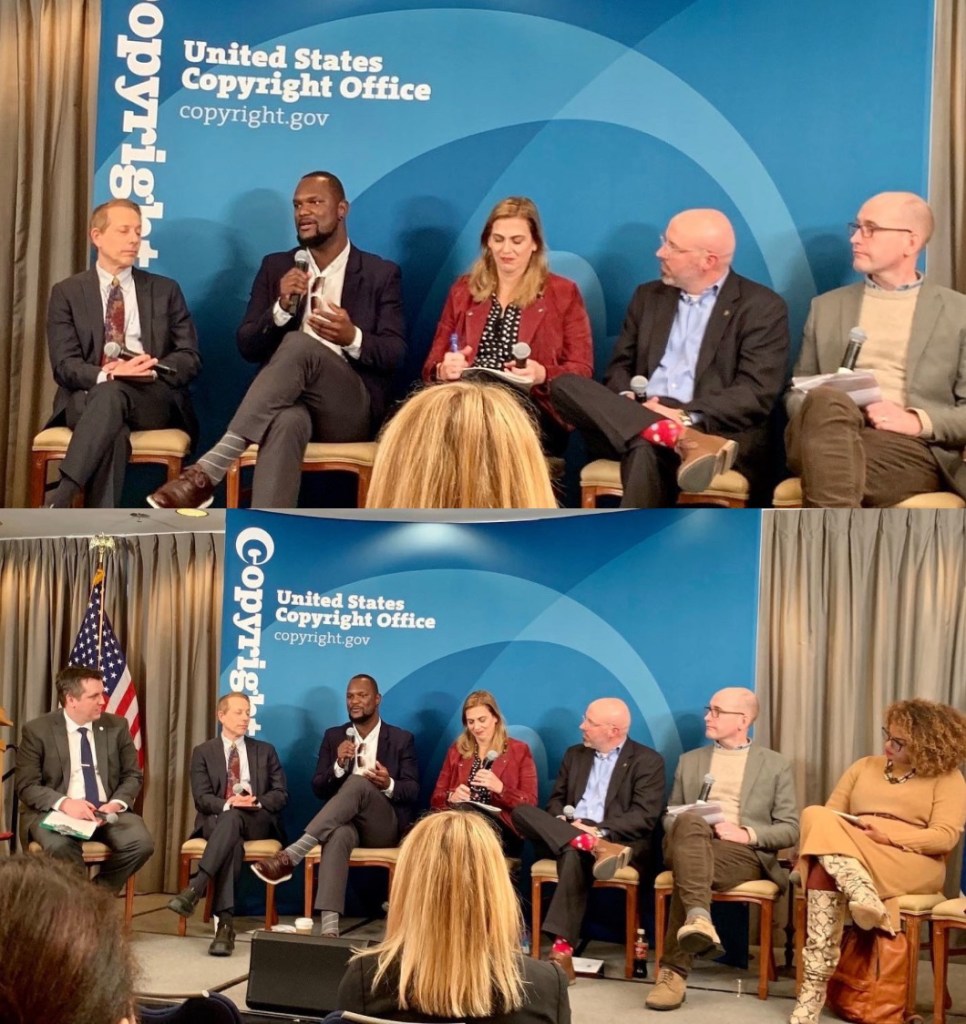
Today, the DURP has made it possible for many DIY independent artists and self-published songwriters to finally receive the royalties they’ve been owed for many years. I am beyond grateful to be in a role where my continued advocacy and support of independent artists can be put into action to effect real change and opportunities in the global music industry.
Here’s to the DURP. 🥂
Dae Bogan to Conduct Workshop ‘From Beat to Bank: Dissecting the Flow of Digital Music Royalties in Rap and Hip-Hop’

I am thrilled to announce the first of a series of in-person music rights and royalties workshops that I will be conducting in Nashville, Miami, and New York this year:
From Beat to Bank: Dissecting the Flow of Digital Music Royalties in Rap and Hip-Hop
🗓️ June 22nd • 4pm-6pm
📍 The Mechanical Licensing Collective in Nashville, TN
🎫 Free with Registration
Description:
“From Beat to Bank: Dissecting the Flow of Digital Music Royalties in Rap and Hip-Hop” is an interactive workshop specifically designed for aspiring Hip-Hop and R&B music creators.
Presented by The MLC and Nashville is Not Just Country Music and led by Dae Bogan, Head of Third-Party Partnerships at The MLC, the workshop will take creators through a crash course demystifying the intricate world of music rights, income entitlements, publishing administration and the distribution of U.S. digital music royalties.
Through a series of individual and group simulations, participants will delve into various facets of the industry including contribution and credit tracking, negotiation of splits, the impact of samples on copyrights and royalties, work registrations and the process of claiming royalty shares.
Participants will gain a deeper understanding and appreciation of how song and recording contributions translate into royalty payments from The MLC and other organizations.
The workshop will take place at The MLC’s office in Nashville on June 22 from 4 p.m. to 6 p.m. CT. Tune in by registering at https://www.eventbrite.com/e/the-mlc-ninjcm-present-from-beat-to-bank-workshop-tickets-637622174087
Happy New Year Songwriters! You’ve Got New Royalties
Happy New Year Songwriters & Music Publishers!
Take note of the new mechanical royalty rates that are now in effect for the use of your songs in the United States:
As of January 1, 2023, royalty rates are as follows:
• Physical / Permeant Download: 12¢ per minute or 2.31¢ per minute or fraction thereof, whichever amount is greater
• Interactive Streaming / Limited Downloads / Locker Services / Other Digital Deliveries: 15.1% of Service Revenue or Total Content Cost Prong Calculation, whichever amount is greater by offering.
As a reminder, if you own the publishing in your songs, you may be eligible to join The Mechanical Licensing Collective to get paid directly 100% of your digital audio mechanical royalties. This is a separate royalty stream, which your PRO (ASCAP / BMI / SESAC) does not collect or pay out. You earn two songwriter royalties when your songs are streamed on Spotify, Apple Music, Tidal, and other digital music services. You earn a performance royalty (ASCAP, BMI, SESAC) and a mechanical royalty (The MLC).
Learn more about The MLC at http://www.themlc.com and join for free today!
About The MLC in 60 Seconds:
[Video] Symphonic Distribution x The MLC Live Q&A with Dae Bogan

Did you know that there is over 424 million in unmatched royalties that The MLC is looking to pay out? Join Randall Foster & Dae Bogan as they dive deep into the world of publishing.
Watch: https://youtu.be/EhxljeejSqI
During The Coronavirus Pandemic, Dae Bogan Has Helped DIY Musicians Unlock Tens of Thousands Of Dollars In Unclaimed Music Royalties – Here’s How
For over twelve years I have helped thousands of DIY musicians administer and monetize their copyrights to be properly accounted to and paid for the use of their musical works and sound recordings in the United States and abroad. To date, I’ve helped self-published songwriters and self-released artists collect millions of dollars in royalties that would have otherwise gone unclaimed and eventually forfeited and/or redistributed due to a confusing web of regulations and company policies surrounding the fragmented music licensing ecosystem.
I’ve also helped background vocalists, session musicians, and music producers understand how their contributions, while often detached from copyright ownership, generates entitlements that yield royalties that often go unclaimed for many years. I am passionate about the issue of remuneration for music creators and have published research, built technology platforms, and have spoken at the Library of Congress on the topic.

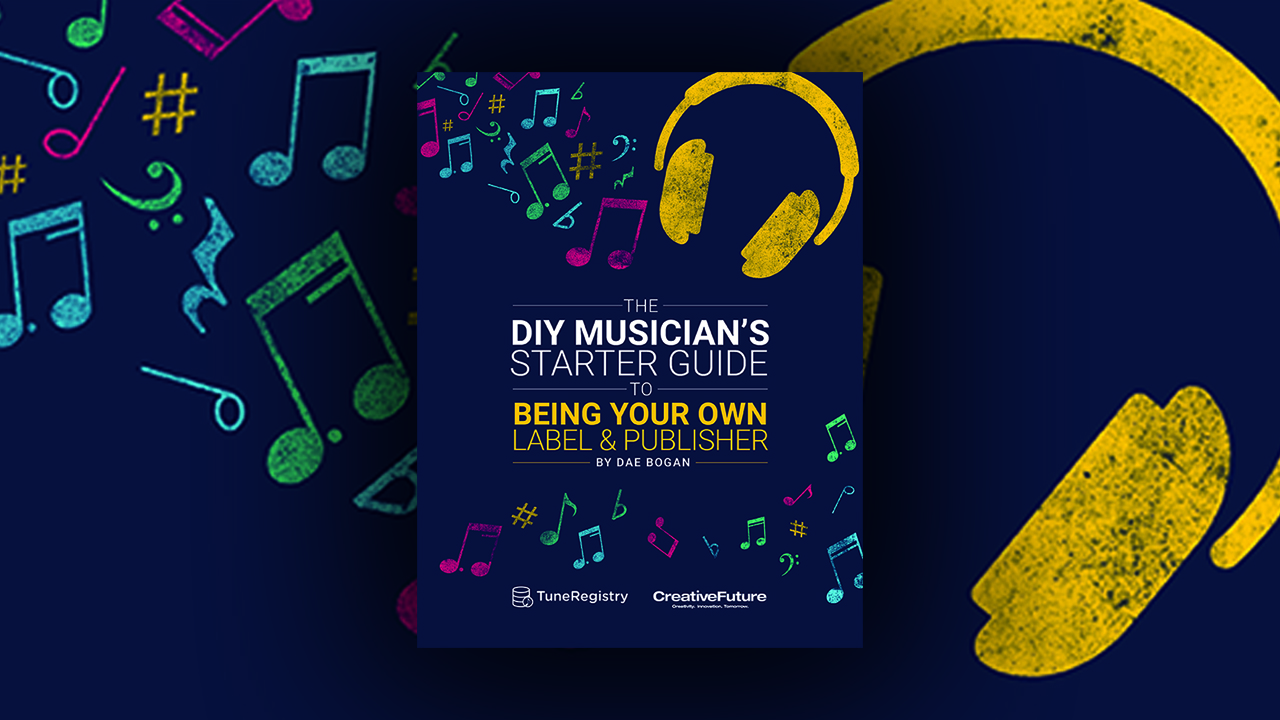
A few years ago I wrote the free ebook “The DIY Musician’s Starter Guide To Being Your Own Label And Publisher” for the non-profit creator advocacy group CreativeFuture as a checklist for DIY musicians who own their publishing and/or masters. The ebook has helped many DIY musicians to get setup with US music rights organizations to collect their royalties. I’ve also written dozens of articles on specific issues surrounding royalty collection that have been published on my blog DaeBoganMusic.com and other websites.

All of this to say that for over a decade I have been championing, educating, advocating for, and empowering DIY musicians and yet I still feel that so many of them are underserved and missing out on their own earnings.
Right now tens of thousands of artists, songwriters, composers, lyricists, session musicians, background vocalists, and music producers have been hit hard by the closure of live music venues and slow down of music production during the coronavirus pandemic. Many have struggled to get financial assistance due to the gig economy nature of much of the work in the music industry. But the sad part is many DIY musicians may have money due to them from their music and contributions over the last 5 to 7 years!
Since the pandemic began, I’ve helped several DIY musicians uncover royalties that have been sitting in unclaimed royalties databases or so-called “black boxes” (Tip: Search “black box” in my search field above to find articles I’ve written on the topic) to the tune of tens of thousands of dollars (Note: I did this work prior to joining The MLC in May 2020 and I am not currently accepting clients due to the fact that I am 100% committed to my work at The MLC, but please continue reading to learn how to do this yourself).
Searching for unclaimed royalties is part of the royalty forensics process. Understanding what entitlements a musician has based on their contribution(s) to any given work, what royalties are due based on type of use and territory, and where the royalties flow to be accounted to and paid out can be a challenge. I did this work for my clients, but I also have a workshop on the topic (Tweet me @daeboganmusic to request FREE access to the workshop).
For example, my cousin, independent singer-songwriter Durand Bernarr had around $8k in unclaimed royalties for his contribution as a background vocalist on the song “Girl” by The Internet sitting unclaimed at just one organization in the United States. Although these royalties were due to him in 2018, the AFM & SAG-AFTRA Intellectual Property Rights Distribution Fund did not know who Durand Bernarr was or how to reach him. I helped Durand uncover these royalties during the coronavirus pandemic and the payment couldn’t have come at a more needed time.

Unclaimed royalties is a common problem for new and up-and-coming music creators (but it also affects emerging and established music creators) and it stems from poor metadata and production credits creation and distribution (this is why I founded TuneRegistry and RoyaltyClaim (I no longer own these companies)). It also stems from DIY musicians not being properly setup and registered everywhere (I cover this in my free ebook).
I now work at The Mechanical Licensing Collective (The MLC) as its Head of Third-Party Partnerships where I am building relationships between The MLC and a variety of organizations and companies to help self-administered songwriters and music publishers interface with us to unlock and collect digital audio mechanical royalties from the use to their songs in the United States by digital service providers such as Spotify, Apple, Amazon, Google, Pandora, Deezer, Tidal, SoundCloud and more.
Now is the time for DIY musicians to take the time to hunt down unclaimed royalties that may go back as far as 7 years. Check out my free ebook as a starting point!
Pro Tip: If you find unclaimed royalties in one place, there may be more and other places. Check with the organization where you find your royalties if those royalties are for the US only or the world. If for the US only, you may have counterpart unclaimed royalties for the same set of rights and types of usage in other countries!
Free DIY eBook
CONNECT WITH ME


 Dae Bogan Music