
Dae Bogan Talks The MLC for A2IM Indiescussion Conversation Series
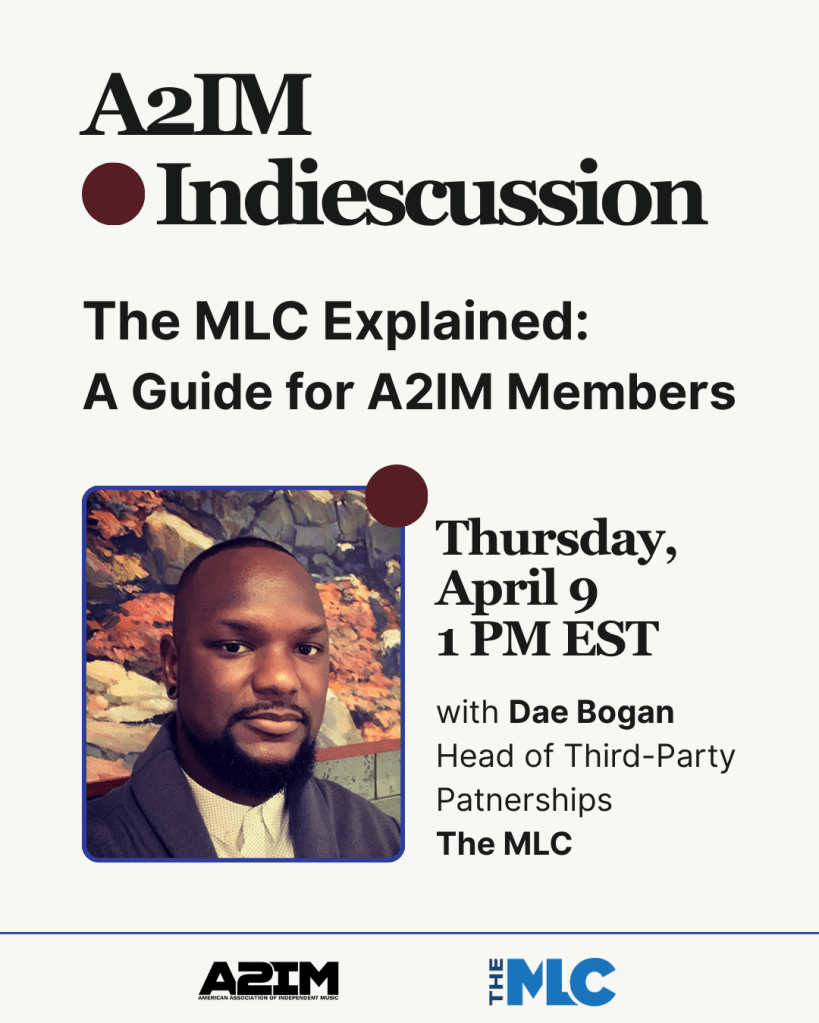
Are you an independent label, distributor, or music company navigating the U.S. streaming landscape?
Join us on Thursday, April 9 at 1 PM EST for an online conversation with Dae Bogan of The MLC.
In this session, we’ll break down how The MLC supports your songwriter and publishing partners by collecting and distributing U.S. mechanical streaming royalties, and what your team needs to know to ensure your catalog is properly registered and monetized. Learn how The MLC fits into the broader royalty ecosystem and how A2IM members can help maximize earnings for their creators.
Register at https://a2im.zoom.us/webinar/register/WN_U1PR5-QvSHiJTgxeu0QALw
Infinite Licensing in AI Music

For a few years now, in private conversations with various technologists, music rightsholders and fellow data nerds, I’ve been using, and trying to coin, the term “infinite licensing” to describe the concept of real-time AI-powered dynamic licensing of rights in both generative-AI and single-source derivative AI music applications.
No, I am not talking about smart contracts, which are finite preset rules hardcoded in a file that is then minted to a blockchain, but rather the convergence of AI (conceptual/subjective/ecosystem) and blockchain (context/ownership) within the permission layer of applications that can generate an infinite ♾️ combination of licensing deal terms.
Infinite licensing would behave sort of like an oracle within applications to dynamically value and clear rights in machine-to-machine, business-to-business, and consumer-to-machine applications, going beyond the scope of human objectivity, individual experience in negotiation and valuation, and workload capacity in the licensing process.
It removes limiting royalty formulas and most favored nations models and replaces them with highly customized and more commercially accurate representations of value at a given point in time.
I imagine a future where an AI system built on an LLM that has learned from previous licensing deals (and the outcomes and missed opportunities of such deals), ingested airplay and streaming stats, interpreted correlations and trends, while calculating the lost value of undervalued deals, analyzed historical sync data, quantifies hype, ingested sales data, and consumer behavior and sentiment data, etc. would dynamically determine rates and terms for gen-AI and single-source derivative AI music outputs.
Infinite licensing, unlike smart contracts, could factor in variations in types of use, the real commercial value of the source music involved, the perceived cultural value of music creators involved, the market value of the opportunity, and much more.
The blockchain aspect, which has been in development across a variety of projects and startups for over 10 years now, would provide the architecture for transparent and immutable rights management while remuneration could be supported by cryptocurrency.
In 2019, when I presented my lecture “Music 2020: The Next Era of Innovation in the Music Industry” at the California Institute of The Arts and again at Music Biz Conference, I argued that artificial intelligence, blockchain, and cryptocurrency would be among the technologies that will transform the music industry in the 2020’s.
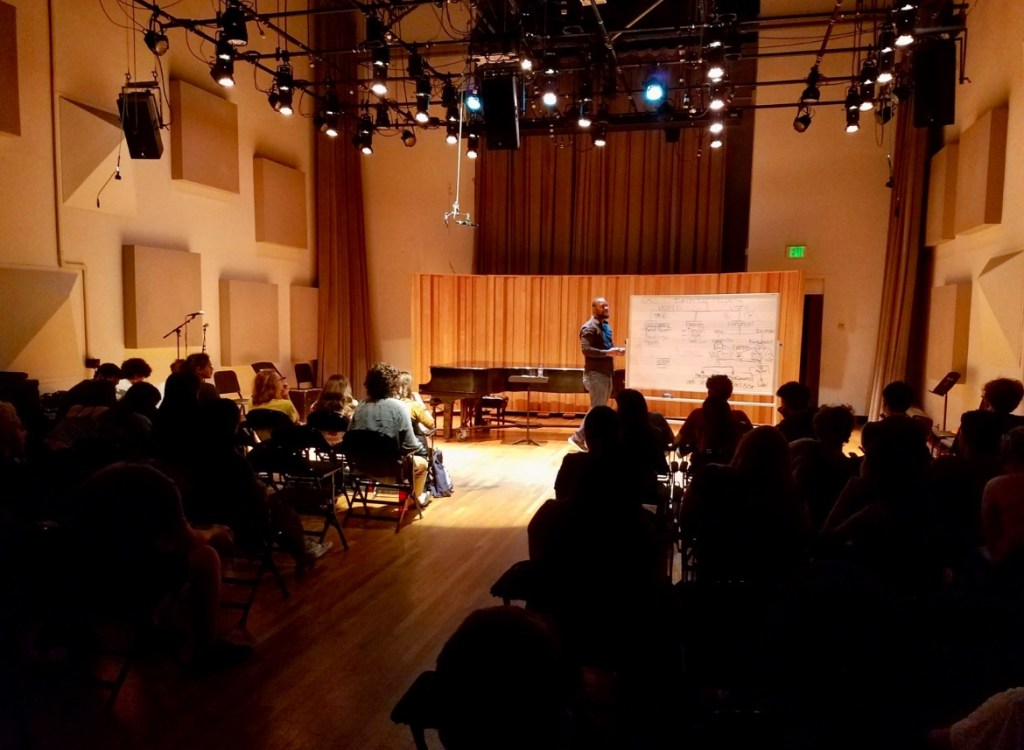
We’re halfway through the 2020’s and I think someone will figure out infinite licensing before 2030.
The Permission Layer for AI Music: Consent, Attribution, and Getting Artists Paid
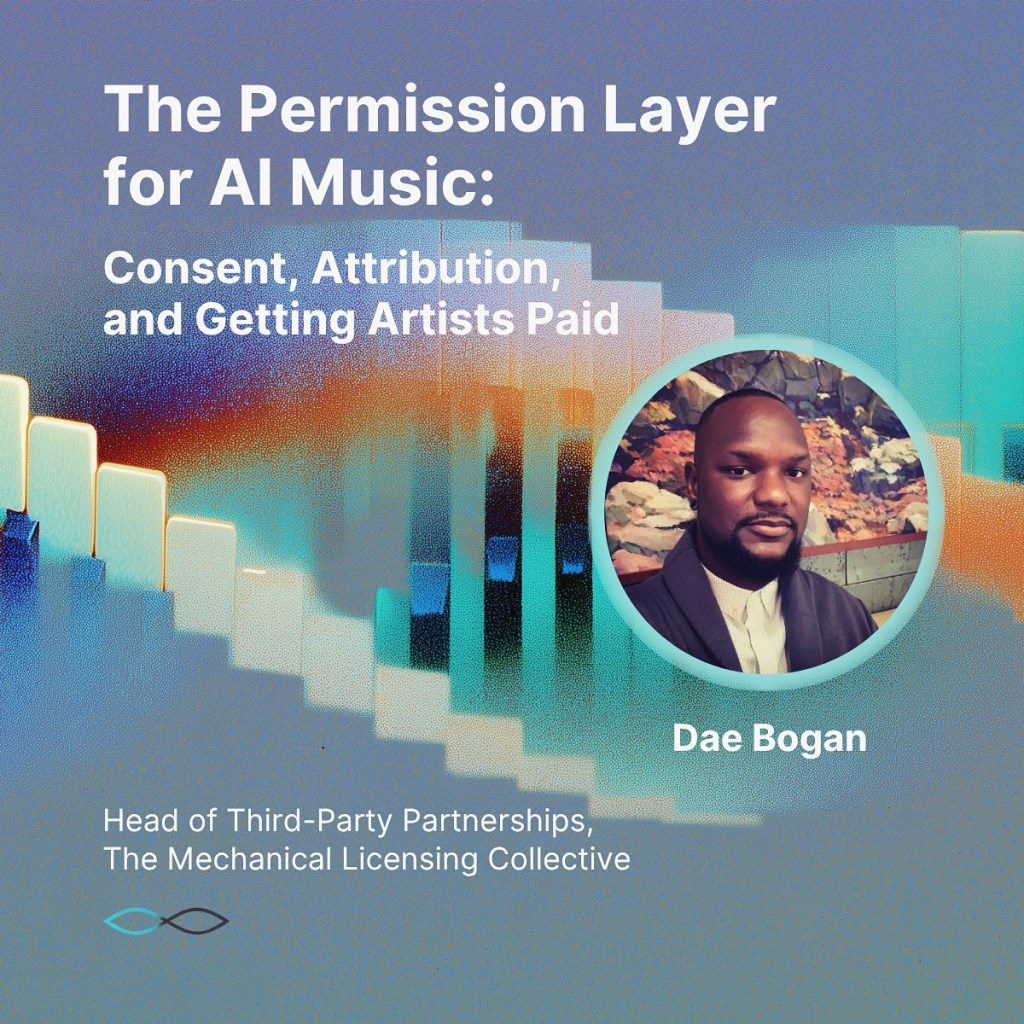
The Permission Layer for AI Music: Consent, Attribution, and Getting Artists Paid
🗓️ Wednesday, November 12, 2025
⏰ 9am PT • 11am CT • 12pm ET
How do you scale artist consent across millions of AI-generated tracks? What infrastructure makes attribution and payment actually possible?
AI music is charting on Billboard, signing major label deals, and reshaping production workflows. This panel brings together the architects building the permission layer to explore the frameworks being built right now—from control and consent to metadata and royalty tracking—that will determine how AI music enters advertising, brand campaigns, and commercial licensing.
Essential for brand marketers, creative directors, music supervisors, artists, business affairs teams, and anyone navigating music licensing in the AI era.
Host/Moderator: Abbi Press, Global Lead Business Affairs Manager, Creative at Uber | Founder of The Double Helix
Speakers:
- Daouda Leonard, Co-Founder & CEO, CreateSafe
- Dae Bogan, Head of Third-Party Partnerships, The Mechanical Licensing Collective
- Marc Rucker, Associate Director of Artist & Industry Relations, SoundExchange
- Tushar Apte, Music Producer/Songwriter/Composer, Warner Chappell Music
Register: https://luma.com/500w2bvc

[Podcast] Host Harkos Interviews Dae Bogan on the ‘Music Makin Cents’ Podcast

I sat down with host Harkos of the “Music Makin Cents Podcast” to talk about different ways to make money from your music. Watch the episode here or below.
10 Years Ago Dubset (And I) Wanted Rights-holders To Be Friendlier To DJs…10 Years Later Apple Music Is Making It Possible

Ten years ago, I wrote a piece for Hypebot (posted at the end) announcing the Mix Transparency Report by Dubset (acquired by Pex).
At the time, Dubset, a new startup, wanted to help DJs legally release, distribute, and monetize mixed music (i.e. remixes, mashups, mixes, etc.), and get artists, songwriters, and rights-holders paid. However, there was a ton of resistance amongst rights-holders to what I thought was a great idea. I was biased since I had once managed a roster of DJs who specialized in mash-ups.
The Mix Transparency Report set out a new standard for charting the consumption of mixed music while shinning a light on the commercial opportunities that existed for rights-holders and content creators of derivative works (e.g. DJs, producers, remixers).
(Side Note: Last year, I created the “Beats & Money: A Music Rights & Royalties Crash Course for Beatmakers” webinar for The Mechanical Licensing Collective with support by Chris McMurtry of Pex/RME which you can watch on YouTube https://youtu.be/8ZoPRmJFt-Q.)
Dubset wanted to locate the most popular mixed music in the world, thoroughly analyze it, and share its findings every month. The report would offer full transparency with regards to the “who” and “what” was being listened to (often royalty-free) by millions of music fans a day. Initially, the Dubset report included four charts: Dubset’s 25 Most Sampled Labels, Dubset’s 25 Most Streamed Mixes, Dubset’s 25 Most Sampled Artists, and Dubset’s 25 Most Sampled Tracks.
Recently, Apple announced it is opening its catalog to let users build mix sets by integrating the platform with a number of tools. These tools include Algoriddim’s djay Pro software, hardware platforms AlphaTheta, Serato, inMusic’s Engine DJ, Denon DJ, Numark, and RANE DJ.
(Fun Fact: I was once an advisor to a startup that built a software and hardware for DJs that would be installed between the controller and the sound system. If the controller experienced an outage during a live set, the device would kick in and algorithmically continue the DJ set until the controller was back up and running and the DJ could do his or her thing. Having been both a club promoter and DJ manager in Los Angeles in my early 20’s, I knew it was solution was to a real problem that I’ve witnessed many times, but of course they were “too early.”)
TechCrunch believes the integrations will possibly attract DJs to explore Apple Music’s catalog of over 100 million songs and also give aspiring DJs an opportunity to play around with some of these tools. It’s great to see DSPs engage more meaningfully with DJs. This has been a long time coming, only slowed by rights-holders inability to work with companies like Dubset to figure out the licensing splits.
That Hypebot piece: https://daeboganmusic.com/2015/11/11/hypebot-dubset-releases-inaugural-mix-transparency-report-atlantic-records-david-guetta-most-sampled/
The Socioeconomics of Globalization vs. Glocalization and Why Indie Artists in the Global South Have It Harder
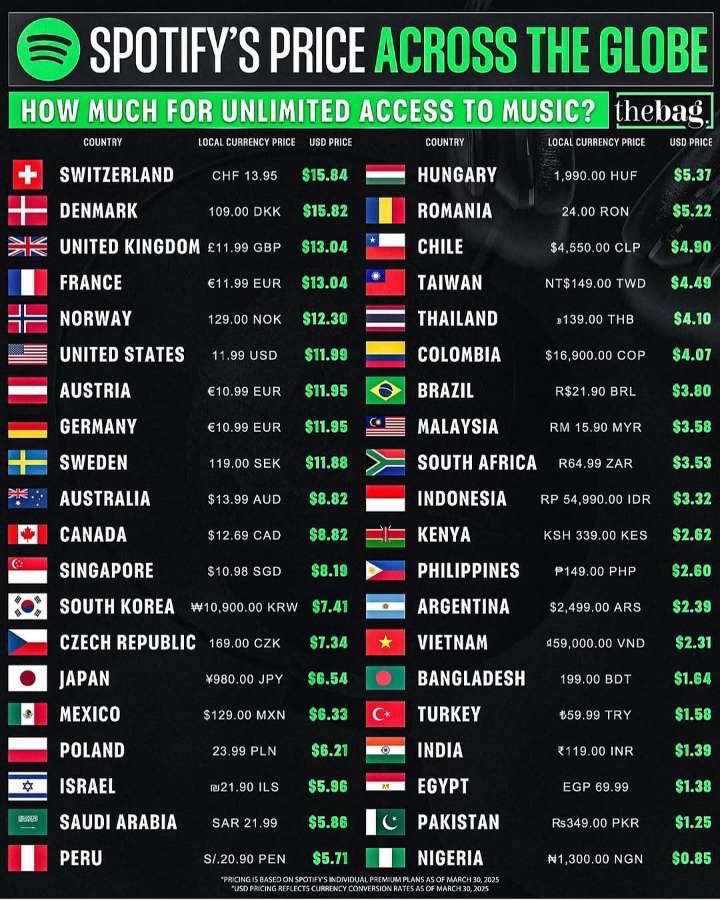
I have been having this very candid conversation about the digital music ecosystem and the socioeconomics (and sociocultural) factors at play in “globalization vs. glocalization” for years now.
Ever since I began exploring the “global south” in 2021, from South America to Southeast Asia to South Africa, and then subsequently moved to Latin America, I’ve observed challenges for local music creators and opportunities for Western music creators.
Artist earnings, in the digital space, are a factor of the socioeconomic health of the region in which artists receive most of their consumption. Two artists from two different countries with the same number of monthly listeners within their own country (glocalization) may not earn the same income due to the differences in the socioeconomic health of their respective countries.
The issue of socioeconomic health is exacerbated by poor copyright compliance and broken or insufficient licensing and royalty collection infrastructure.
Independent artists in lower socioeconomic markets could attempt to look for international collaborations with artists that can introduce them to listeners in more developed markets and they could leverage opportunities to exploit their music in ways that create discovery in new markets (e.g. synch, playlists, etc.). This will aid in exposing the music and eventually earning consumption in other foreign markets (globalization), possibly with better socioeconomic health (or at least higher royalty rates).
Additionally, indie artists should leverage communities like Vampr and BandLab Technologies and other such companies to connect and collaborate with artists, songwriters, and music producers to strive for cross-border appeal and opportunity.
100+ INDIE DISTRIBUTORS IN 20 COUNTRIES HAVE NOW SIGNED UP FOR THE MLC’S DATA PORTAL FOR UNMATCHED ROYALTIES

Thank you Music Business Worldwide for covering the story of this important milestone in my work at The Mechanical Licensing Collective and the independent music industry.
From Idea to Impact: Five Years Later the DURP Expands to 100 Distributors and Pays Millions to DIY Artists

I am thrilled to announce having reached a new milestone in The Mechanical Licensing Collective’s DURP initiative, which I develop and lead to engage music distributors in our efforts to track down and pay unclaimed royalties to independent songwriters — the Distributor Unmatched Recordings Portal (DURP).
As of today, my team has onboarded over 100 independent music distributors in 20 countries to help us find and pay out millions of dollars in unclaimed U.S. digital audio mechanical royalties to independent songwriters around the world.
I am incredibly proud of the impact the DURP initiative has had on the livelihoods of independent artists who did not know these royalties existed. Many of whom I have had the opportunity to speak with directly and to guide them in the process of becoming MLC members.
This announcement comes on a special day – December 6th. Five years ago, on December 6th, 2019, I was invited by the United States Copyright Office to Washington, D.C. to speak at its Unclaimed Royalties Study Kickoff Symposium at the Library of Congress. It was at this symposium where I offered my insights on the DIY music rights administration space and strategic recommendations on how the forthcoming mechanical licensing collective ought to go about developing innovative data and partnership initiatives to reach the DIY artist and small independent rightsholders sector of the global music industry in furtherance of its mandate of the Music Modernization Act of 2018. The next year, in 2020, I joined The MLC as its Head of Third-Party Partnerships and began the research and development on what has become the Distributor Unmatched Recording Portal (DURP), which is both a data insights and technical solution, and a global network of strategic partnerships.
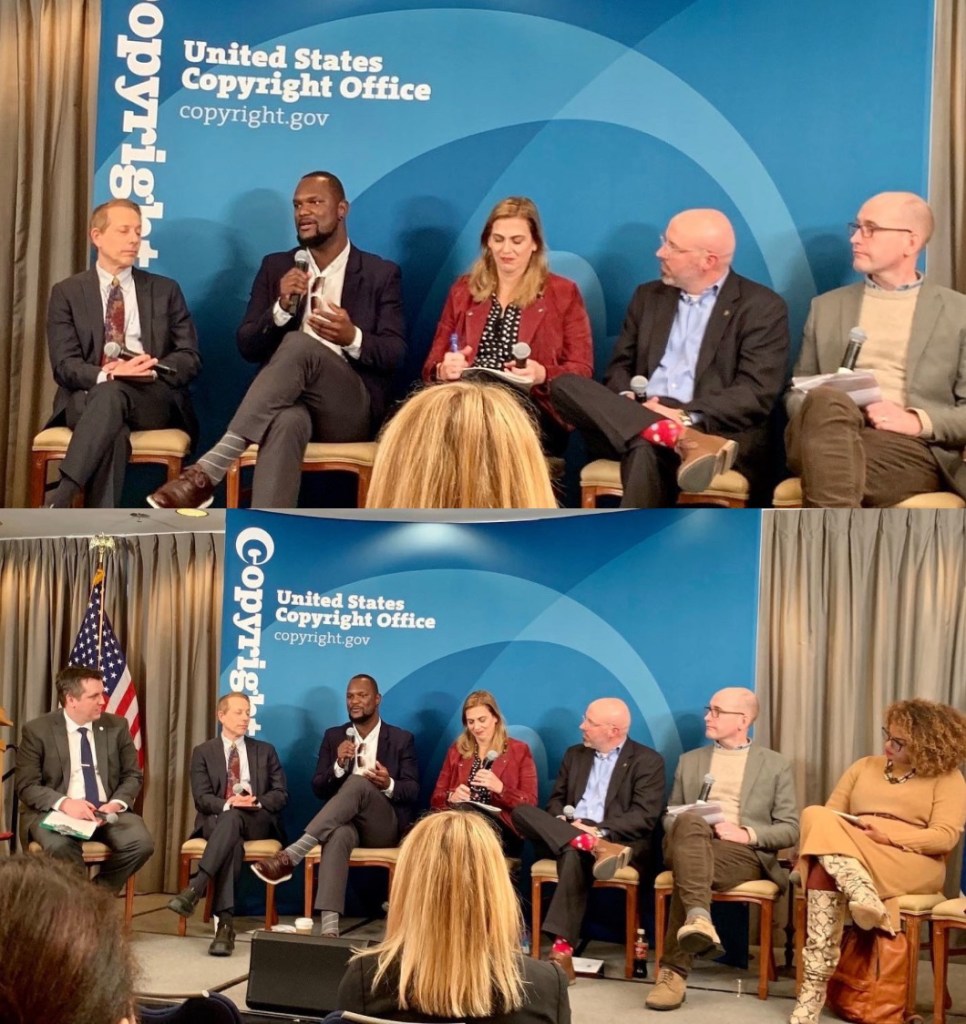
Today, the DURP has made it possible for many DIY independent artists and self-published songwriters to finally receive the royalties they’ve been owed for many years. I am beyond grateful to be in a role where my continued advocacy and support of independent artists can be put into action to effect real change and opportunities in the global music industry.
Here’s to the DURP. 🥂
Join Us For BeatMix: Miami and Florida Songwriters Association Workshop
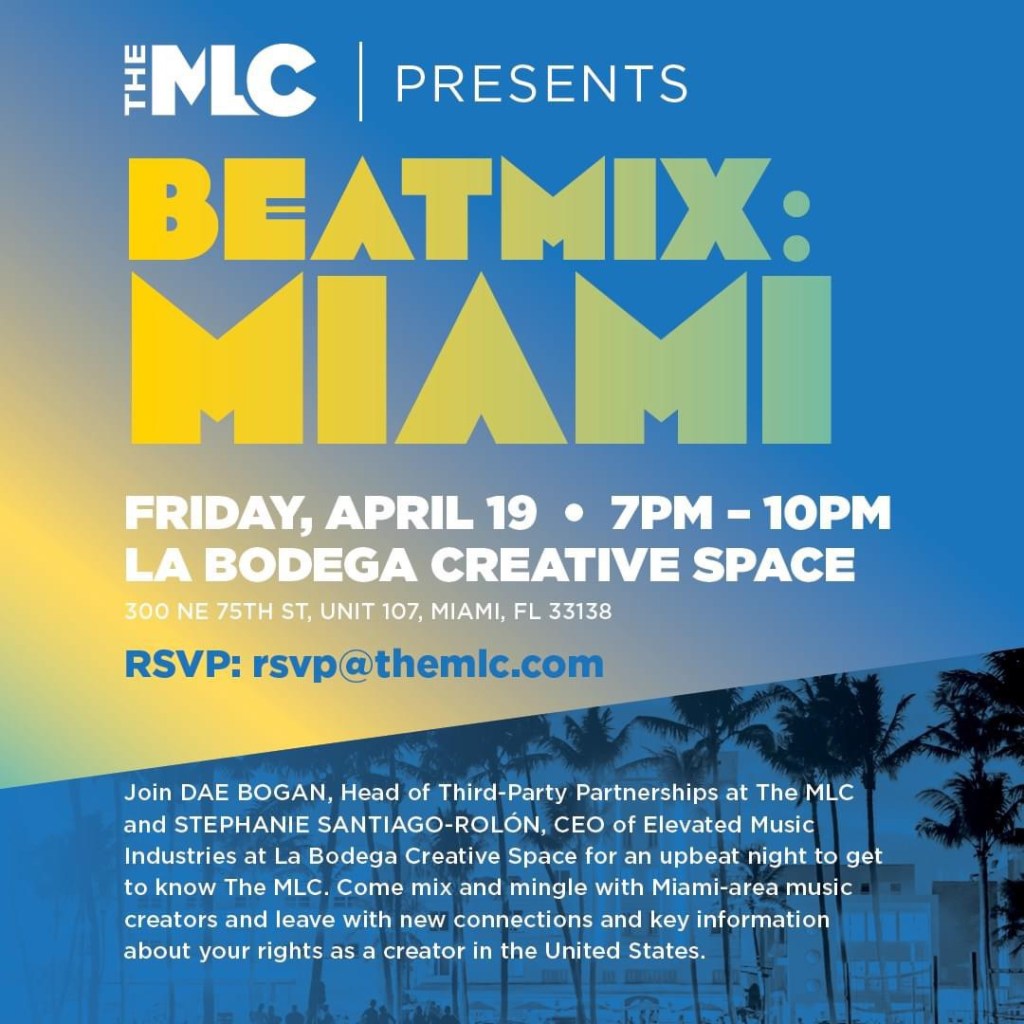
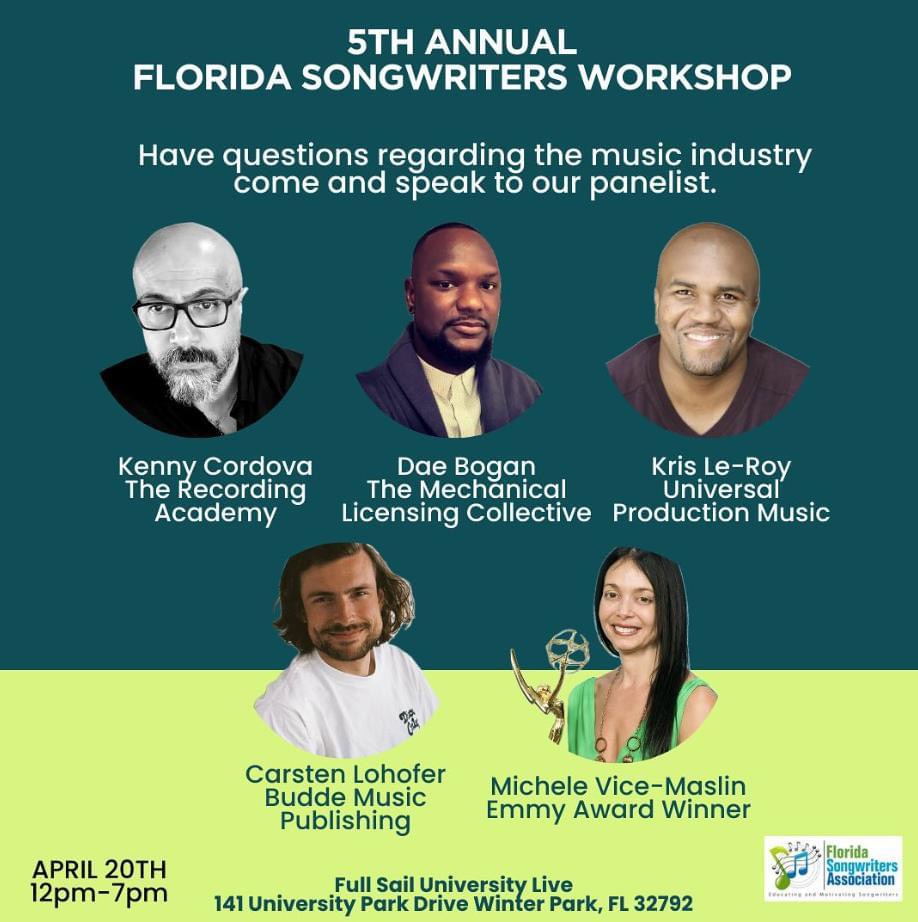
MIAMI – Let’s get to work!
I will be conducting two music business workshops in Miami this month:
Friday, April 19th – BeatMix: Miami (FREE w/ RSVP)
Friday, April 20th – 5th Annual Florida Songwriters Workshop (TICKETS AVAILABLE)
See you there!
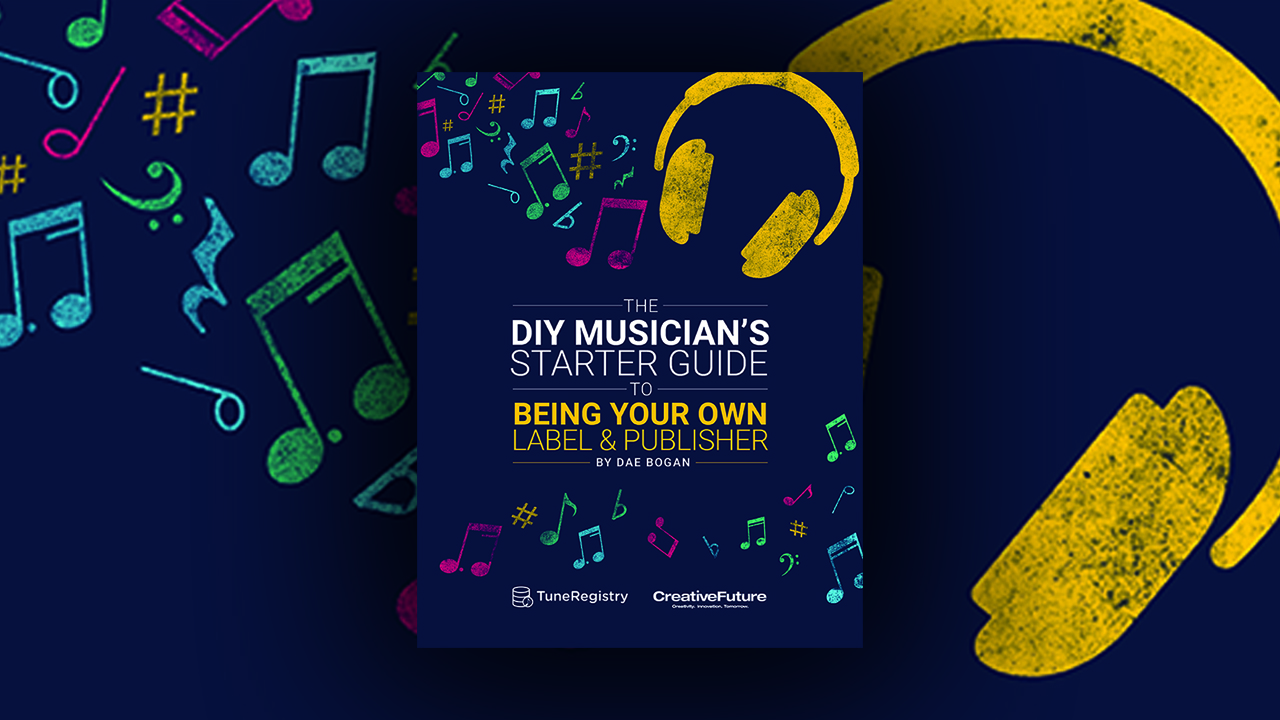
Free DIY eBook
CONNECT WITH ME


 Dae Bogan Music